
Important Dates
01 Aug, 2026
Call for Papers
11 Oct, 2026
Early Bird Offer
11 Nov, 2026
Event Date
September 2025
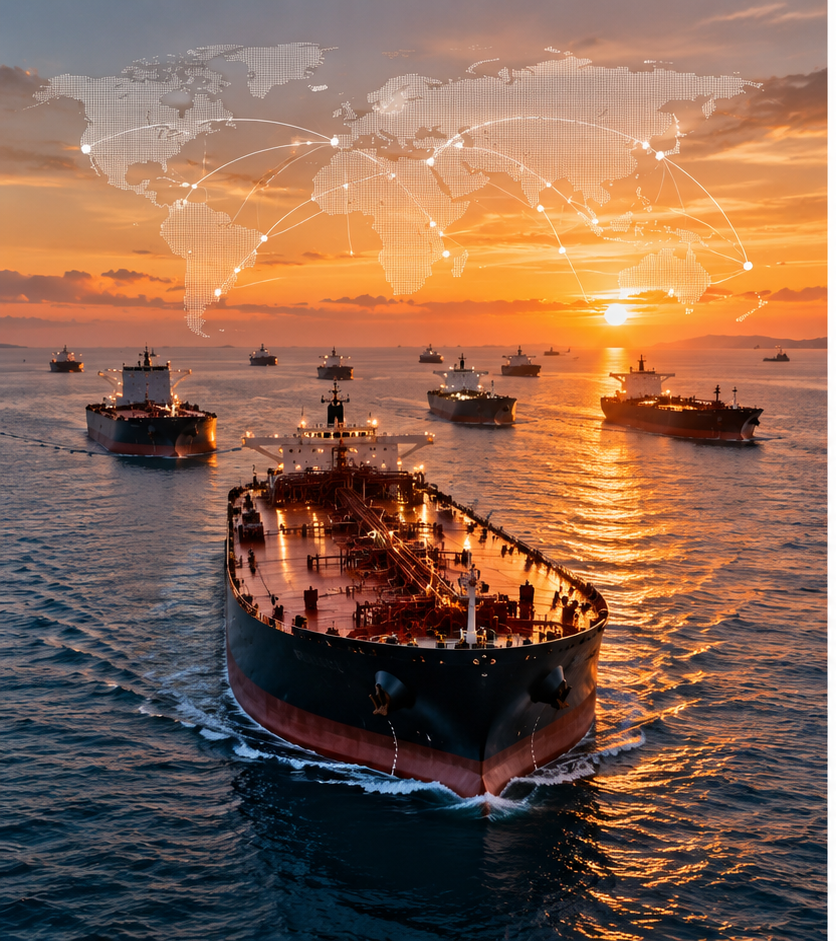
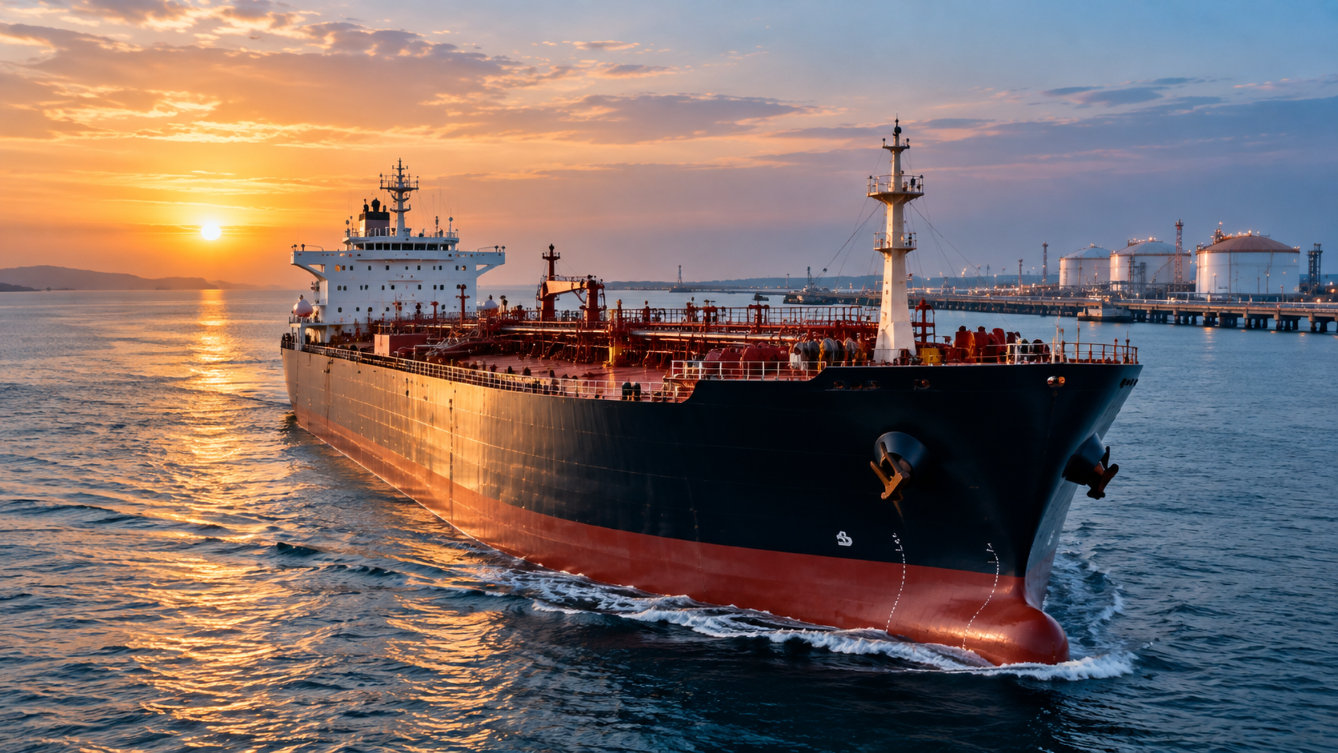
The global tanker industry is entering a transformative era. As regulatory frameworks tighten and market dynamics evolve, shipowners and operators are being pushed to embrace new, cleaner energy sources. Among the most promising solutions emerging is biofuel adoption in shipping, which is increasingly being recognized as a bridge toward full decarbonisation.
The International Maritime Organization (IMO) has made it clear that alternative fuels will play a central role in meeting its ambitious climate targets. According to the IMO’s mid-term pathway, zero- or near-zero carbon fuels are expected to deliver 64% of the sector’s CO₂ reductions by 2050. Biofuels are at the forefront of this transition, creating new opportunities for the tanker trade.
But what does this shift mean for shipowners, operators, and investors? And how can businesses position themselves to capitalise on the biofuel boom?
IMO’s Net-Zero Framework and the Fuel Revolution
The IMO’s climate agenda has been steadily evolving. From 2027–28, the IMO’s global GHG pricing and fuel-intensity standards are expected to begin implementation and that will radically reshape the economics of global shipping.
Key elements include:
This framework creates strong financial and regulatory incentives for tanker companies to adopt biofuels sooner rather than later.
Unlike some other future fuels, biofuels offer a relatively immediate pathway to decarbonisation. They can often be blended with conventional fuels and used in existing engines with minimal modifications, making them an attractive option for tanker operators.
For tankers, which account for a significant portion of global fuel consumption, this transition could be game-changing.
The growth of the biofuel market is already influencing tanker trade flows.
As global biofuel production capacity scales up, the tanker industry is preparing for a fundamental reconfiguration of energy transport.
Despite its promise, biofuel adoption in shipping is not without challenges.
Addressing these barriers will require close collaboration between regulators, shipowners, fuel producers, and financial institutions.
The financial case for biofuels is becoming stronger by the year. With IMO’s emission pricing and regional carbon trading systems on the horizon, delaying the transition could prove costly.
For the tanker industry, this is not just about compliance—it’s about competitive survival in a rapidly decarbonising global economy.
The evidence is clear: biofuels are no longer a niche experiment—they are becoming a central part of shipping’s future fuel mix. While challenges around cost and scalability remain, the trajectory is unmistakable.
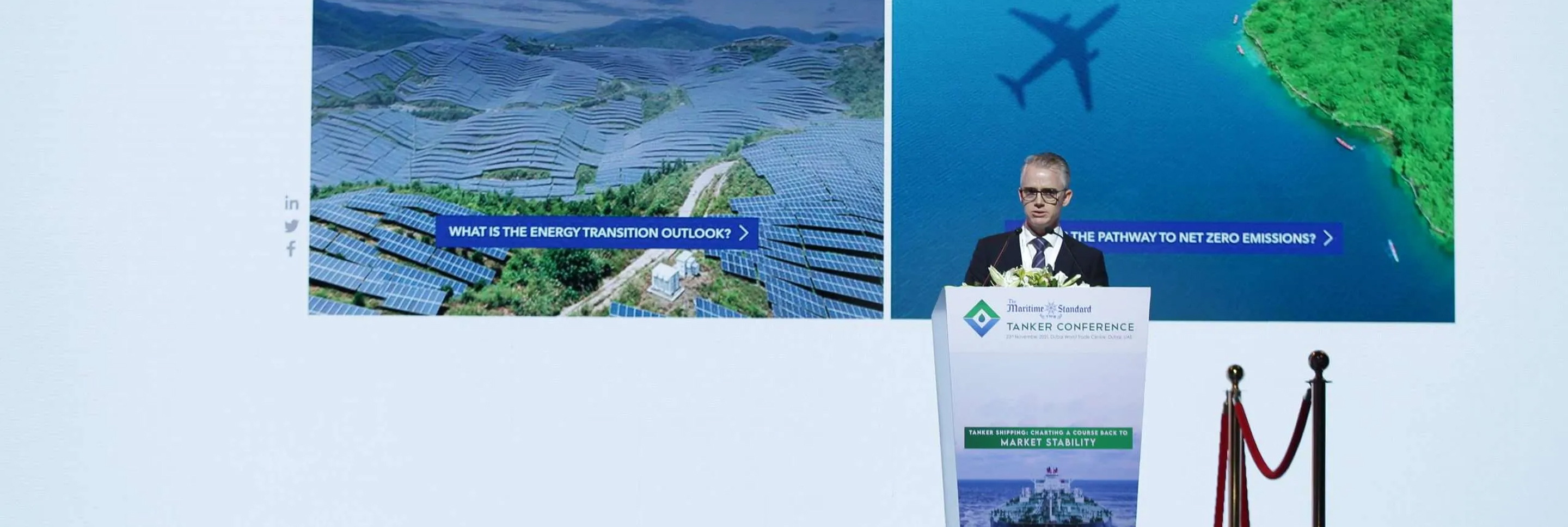
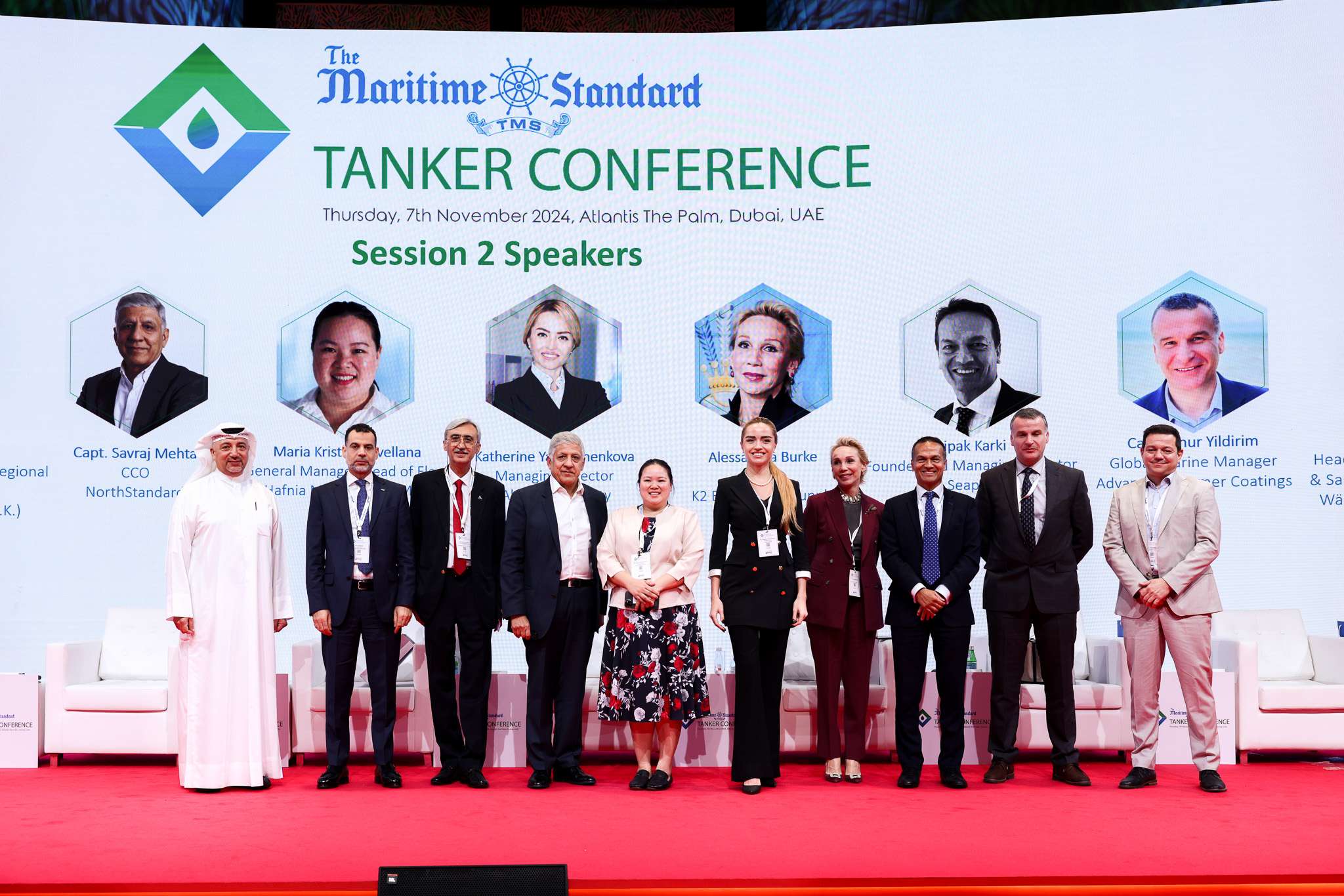
To navigate the biofuel boom successfully, industry players need actionable insights and collaborative strategies. That’s exactly what the 10th Annual Maritime Standard Tanker Conference will deliver.
📍 Date: Thursday, 30 October 2025
📍 Venue: Atlantis, The Palm, Dubai
This year’s agenda will feature:
By attending, you’ll position your business at the heart of the tanker industry’s low-carbon transformation.
The biofuel boom is reshaping the future of tanker shipping. With IMO’s mid-term pathway relying heavily on zero- and near-zero carbon fuels, the industry is on the cusp of a fundamental shift. Shipowners, operators, and investors who act now will not only meet compliance requirements but also unlock new opportunities in trade, finance, and market positioning.
Don’t wait until regulations force your hand.
Book your seat at The Maritime Standard Tanker Conference 2025 and discover how biofuels and alternative fuels will underpin the future of tanker trade growth.

Gold sponsor
Gold sponsor
Silver Sponsor
Lanyards and Badges
Multimedia sponsor
Multimedia sponsor
Delegate Lunch

Conference Registration

Silver Sponsor
Gold sponsor
Gold sponsor
Silver Sponsor
Lanyards and Badges
Multimedia sponsor
Multimedia sponsor
Delegate Lunch
Conference Registration
Silver Sponsor
Gold sponsor
Gold sponsor
Silver Sponsor
Lanyards and Badges
Multimedia sponsor
Multimedia sponsor
Delegate Lunch
Conference Registration
Silver Sponsor
Gold sponsor
Gold sponsor
Silver Sponsor
Lanyards and Badges
Multimedia sponsor
Multimedia sponsor
Delegate Lunch
Conference Registration
Silver Sponsor
Gold sponsor
Gold sponsor
Silver Sponsor
Lanyards and Badges
Multimedia sponsor
Multimedia sponsor
Delegate Lunch
Conference Registration
Silver Sponsor
Gold sponsor
Gold sponsor
Silver Sponsor
Lanyards and Badges
Multimedia sponsor
Multimedia sponsor
Delegate Lunch
Conference Registration
Silver Sponsor
Advance Polymer
Main Session

General Sponsor
Delegate Bags
Gulf Energy Marine
General Sponsor
General Sponsor
General Sponsor
Advance Polymer
Main Session
General Sponsor
Delegate Bags
Gulf Energy Marine
General Sponsor
General Sponsor
General Sponsor
Advance Polymer
Main Session
General Sponsor
Delegate Bags
Gulf Energy Marine
General Sponsor
General Sponsor
General Sponsor
Advance Polymer
Main Session
General Sponsor
Delegate Bags
Gulf Energy Marine
General Sponsor
General Sponsor
General Sponsor
Advance Polymer
Main Session
General Sponsor
Delegate Bags
Gulf Energy Marine
General Sponsor
General Sponsor
General Sponsor
Advance Polymer
Main Session
General Sponsor
Delegate Bags
Gulf Energy Marine
General Sponsor
General Sponsor
General Sponsor












Sign up for our newsletter to get the latest waves of updates, insights, and exclusive conference content.
Sign up for our newsletter to get the latest waves of updates, insights, and exclusive conference content.
© TMS Marine Conference 2026. Designed & Developed by Cheval
Back to Top