Important Dates
01 Aug, 2026
Call for Papers
11 Oct, 2026
Early Bird Offer
11 Nov, 2026
Event Date
July 2026
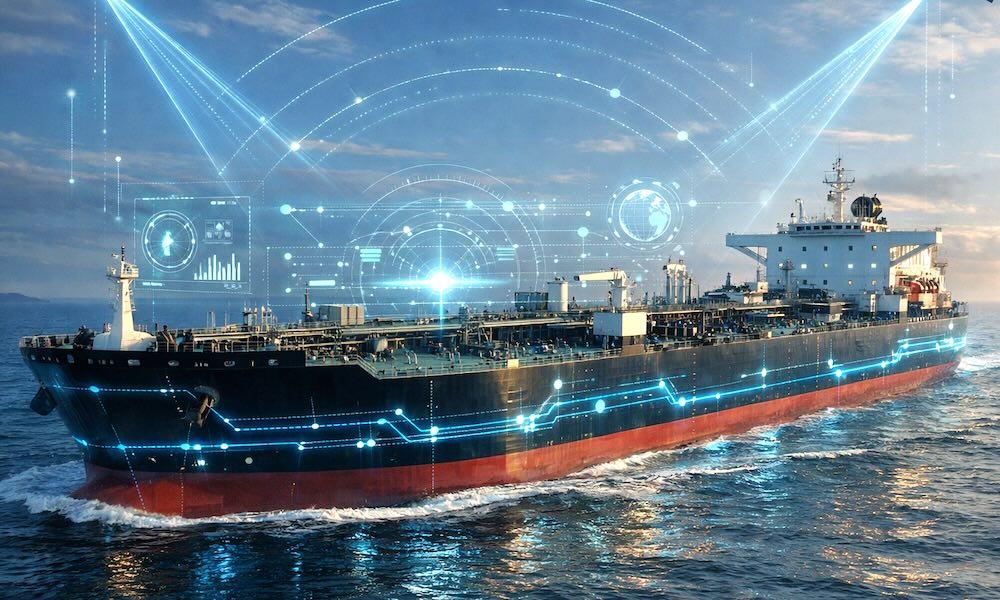
The Future of Tanker Shipping in a Fragmented Global Trade Environment
The global tanker shipping industry is entering a period of profound structural transformation. As international trade patterns evolve, supply chains diversify, and energy markets undergo gradual transition, tanker operators are facing a business environment that is more dynamic and complex than at any time in recent decades.
While tanker shipping has historically demonstrated remarkable resilience through market cycles, today's challenges extend beyond traditional freight market fluctuations. Operators must now navigate changing trade routes, evolving customer requirements, increasing environmental expectations, technological disruption, and heightened demands for operational excellence.
At the same time, significant opportunities are emerging. New trading relationships, infrastructure investments, digital innovation, and fleet modernisation programmes are creating pathways for growth and competitive differentiation.
Against this backdrop, the ability to adapt quickly while maintaining operational efficiency and commercial discipline has become a defining characteristic of successful tanker businesses.
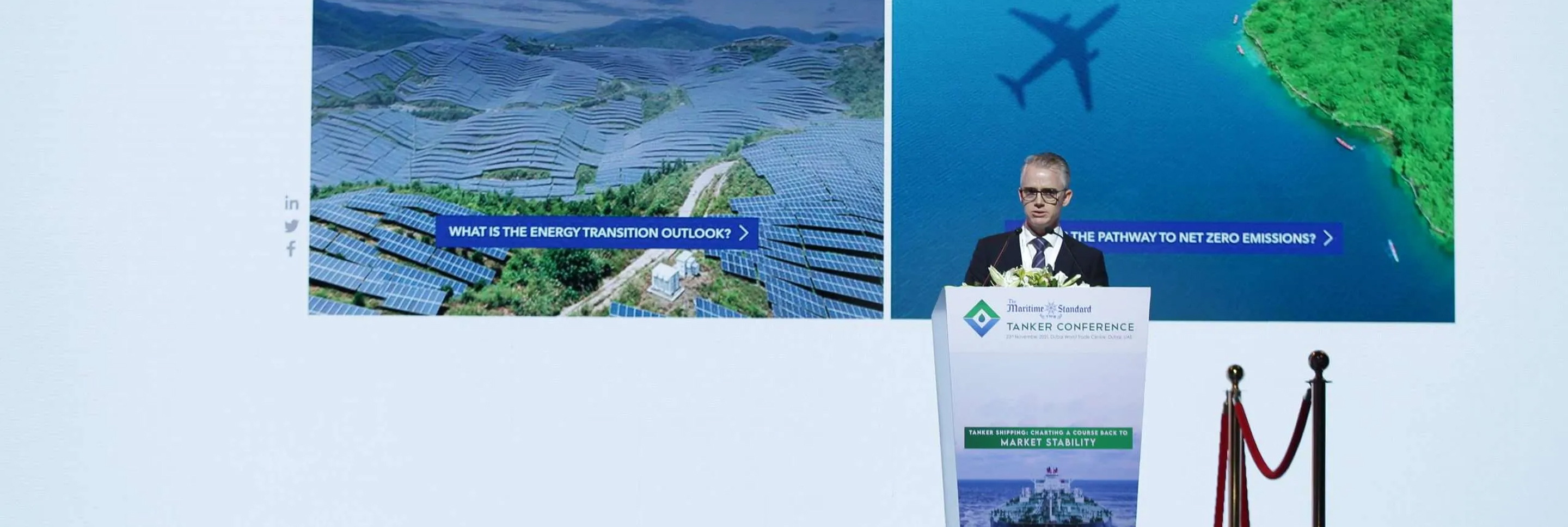
The TMS Tanker Conference 2026 arrives at a pivotal moment for the industry. Bringing together senior executives, shipowners, charterers, regulators, investors, and technology providers, the conference will explore how tanker shipping is responding to one of the most significant periods of change in its history.
A New Era of Global Trade Realignment
Global trade has always been the foundation of tanker shipping demand. However, the structure of international trade is changing in ways that are reshaping tanker markets.
Over the past several years, shifts in production capacity, refining investments, consumption patterns, and supply chain strategies have contributed to a gradual reconfiguration of global energy flows. These changes are influencing both the volume and direction of tanker movements around the world.
Many traditional trade routes remain important, but new corridors are emerging as countries seek greater supply chain resilience and diversify sources of energy imports. Refining capacity expansion in some regions, coupled with changing consumption trends in others, has resulted in increasingly complex trading patterns.
For tanker operators, this evolving landscape creates both opportunities and challenges. Longer voyage distances can support vessel demand and ton-mile growth, while changing trade routes require greater operational flexibility and commercial agility.
The ability to reposition vessels efficiently, optimise deployment strategies, and respond quickly to changing market conditions has become a critical competitive advantage. As trade flows continue to evolve, successful operators will be those capable of aligning fleet strategies with emerging market realities rather than relying solely on historical trading patterns.
Market Rebalancing and Strategic Positioning
One of the most important themes shaping the tanker sector is market rebalancing.
Historically, tanker markets have been influenced by cyclical fluctuations in supply and demand. Today, however, operators must also contend with longer-term structural changes that affect vessel utilisation, investment decisions, and commercial strategy.
Fleet owners are increasingly evaluating how best to position themselves for a future characterised by shifting cargo flows, changing customer requirements, and evolving environmental standards.
Strategic positioning now extends beyond vessel ownership alone. Companies are assessing broader questions regarding fleet composition, operational capabilities, geographic exposure, and partnerships across the maritime value chain.
The focus is increasingly on flexibility.
Operators with diversified fleets, strong commercial networks, and the ability to access multiple markets are often better positioned to navigate periods of uncertainty. This flexibility enables companies to adapt more effectively when market conditions change.
At the same time, investment decisions are becoming more sophisticated. Fleet expansion strategies are being evaluated not only on short-term freight market expectations but also on long-term considerations such as regulatory developments, technological advancement, and environmental performance.
Operational Efficiency as a Competitive Imperative
In today's tanker market, operational efficiency is no longer simply a means of controlling costs. It has become a strategic requirement for long-term success.
Margins remain sensitive to fuel costs, port delays, maintenance requirements, and operational performance.
As a result, tanker operators are increasingly focused on extracting greater value from every aspect of their operations. Technology is playing a central role in this transformation. Advanced vessel monitoring systems, performance management platforms, predictive maintenance tools, and voyage optimisation software are enabling operators to improve decision-making and enhance fleet performance.
Modern tanker fleets generate significant volumes of operational data. When analysed effectively, this information can provide valuable insights into fuel consumption, machinery performance, voyage efficiency, and maintenance requirements.
This data-driven approach allows operators to:
• Improve fuel efficiency
• Reduce unplanned downtime
• Enhance vessel reliability
• Optimise voyage planning
• Improve asset utilisation
• Support regulatory compliance
The result is a more efficient and resilient operating model capable of delivering stronger commercial outcomes.
As digitalisation continues to accelerate, operational excellence will increasingly be determined by how effectively companies integrate technology into their decision-making processes.
Fleet Modernisation and Long-Term Investment Strategies
The future competitiveness of tanker operators will depend significantly on the quality and adaptability of their fleets.
Fleet modernisation has become a central component of long-term strategic planning. Operators are investing in newer, more efficient vessels capable of meeting evolving operational and environmental requirements.
These investments are driven by several factors:
• Improved fuel efficiency
• Enhanced operational performance
• Reduced emissions
• Greater commercial attractiveness
• Longer-term regulatory compliance
At the same time, owners are carefully evaluating vessel life cycles and retrofit opportunities.
Existing fleets continue to represent significant investments, and many operators are exploring ways to improve performance through upgrades and efficiency enhancements.
The challenge lies in balancing short-term commercial realities with long-term strategic objectives. Given the pace of technological development and regulatory evolution, fleet planning has become more complex than ever before. Decisions made today will influence competitiveness for decades to come.
Energy Transition and Its Influence on Tanker Markets
The global energy transition is one of the most significant long-term trends influencing the tanker shipping industry.
While traditional energy sources remain essential to global economic activity, energy systems are gradually diversifying. Different regions are progressing at varying speeds, resulting in a complex and evolving demand landscape.
For tanker shipping, the implications are substantial.
Changes in energy production, refining capacity, and consumption patterns are influencing trade flows and cargo demand. Operators must therefore plan for a future in which market dynamics may differ significantly from historical norms.
The industry's response has largely centred on flexibility and preparedness.
Many operators are exploring strategies that allow fleets to remain commercially viable across a range of future scenarios. This includes investment in vessel efficiency, alternative fuel readiness, and enhanced operational adaptability.
Importantly, tanker shipping continues to play a critical role in global energy security. Reliable transportation of crude oil, refined products, and related commodities remains fundamental to economic stability and industrial activity worldwide.
As energy markets evolve, tanker operators will continue to serve as essential facilitators of global trade and energy distribution.
Risk Management in an Increasingly Complex Environment
Modern tanker shipping operates within an increasingly sophisticated risk environment.
Traditional operational risks remain important, but companies must now manage a broader range of challenges that include:
• Regulatory compliance
• Environmental performance
• Supply chain disruption
• Cyber security
• Commercial volatility
• Technology integration
• Stakeholder expectations
As a result, risk management frameworks are becoming more integrated and data-driven.
Leading operators are adopting approaches that combine operational intelligence, market analysis, compliance monitoring, and strategic planning. This enables organisations to identify emerging risks earlier and develop more effective mitigation strategies.
Building resilience across the organisation has become a strategic priority rather than simply a compliance requirement.
Companies that successfully integrate risk management into their decision-making processes are generally better positioned to navigate uncertainty and maintain consistent performance.
Sustainability as a Business Driver
Environmental performance is increasingly influencing investment decisions, customer expectations, and operational strategies.
Sustainability is no longer viewed solely through the lens of compliance. Instead, it is becoming a driver of efficiency, innovation, and long-term value creation.
Tanker operators are investing in initiatives designed to improve environmental performance while strengthening commercial competitiveness. These include:
• Energy efficiency technologies
• Emissions monitoring systems
• Voyage optimisation tools
• Fleet modernisation programmes
• Enhanced reporting capabilities
The integration of sustainability objectives into everyday operations is helping companies align environmental performance with broader business goals.
This trend is expected to accelerate as stakeholders place greater emphasis on transparency, accountability, and measurable progress.
Looking Ahead
The tanker shipping industry is entering a new phase of development shaped by evolving trade patterns, technological innovation, operational transformation, and changing energy systems.
While uncertainty remains a defining characteristic of the global business environment, the industry's ability to adapt continues to be one of its greatest strengths.
Success in the years ahead will depend on a combination of strategic vision, operational excellence, technological capability, and organisational resilience. Companies that embrace innovation while maintaining commercial discipline will be best positioned to capture emerging opportunities and navigate future challenges.
The TMS Tanker Conference 2026 will provide a valuable forum for industry leaders to discuss these critical issues, share experiences, and explore the strategies that will define the next chapter of tanker shipping.
As the sector continues to evolve, one thing remains clear: adaptability, resilience, and forward-thinking leadership will be central to shaping the future of global tanker markets.

Gold sponsor
Gold sponsor
Silver Sponsor
Lanyards and Badges
Multimedia sponsor
Multimedia sponsor
Delegate Lunch

Conference Registration

Silver Sponsor
Gold sponsor
Gold sponsor
Silver Sponsor
Lanyards and Badges
Multimedia sponsor
Multimedia sponsor
Delegate Lunch
Conference Registration
Silver Sponsor
Gold sponsor
Gold sponsor
Silver Sponsor
Lanyards and Badges
Multimedia sponsor
Multimedia sponsor
Delegate Lunch
Conference Registration
Silver Sponsor
Gold sponsor
Gold sponsor
Silver Sponsor
Lanyards and Badges
Multimedia sponsor
Multimedia sponsor
Delegate Lunch
Conference Registration
Silver Sponsor
Gold sponsor
Gold sponsor
Silver Sponsor
Lanyards and Badges
Multimedia sponsor
Multimedia sponsor
Delegate Lunch
Conference Registration
Silver Sponsor
Gold sponsor
Gold sponsor
Silver Sponsor
Lanyards and Badges
Multimedia sponsor
Multimedia sponsor
Delegate Lunch
Conference Registration
Silver Sponsor
Advance Polymer
Main Session

General Sponsor
Delegate Bags
Gulf Energy Marine
General Sponsor
General Sponsor
General Sponsor
Advance Polymer
Main Session
General Sponsor
Delegate Bags
Gulf Energy Marine
General Sponsor
General Sponsor
General Sponsor
Advance Polymer
Main Session
General Sponsor
Delegate Bags
Gulf Energy Marine
General Sponsor
General Sponsor
General Sponsor
Advance Polymer
Main Session
General Sponsor
Delegate Bags
Gulf Energy Marine
General Sponsor
General Sponsor
General Sponsor
Advance Polymer
Main Session
General Sponsor
Delegate Bags
Gulf Energy Marine
General Sponsor
General Sponsor
General Sponsor
Advance Polymer
Main Session
General Sponsor
Delegate Bags
Gulf Energy Marine
General Sponsor
General Sponsor
General Sponsor









Sign up for our newsletter to get the latest waves of updates, insights, and exclusive conference content.
Sign up for our newsletter to get the latest waves of updates, insights, and exclusive conference content.
© TMS Marine Conference 2026. Designed & Developed by Cheval
Back to Top