
Important Dates
01 Aug, 2026
Call for Papers
11 Oct, 2026
Early Bird Offer
11 Nov, 2026
Event Date
October 2025
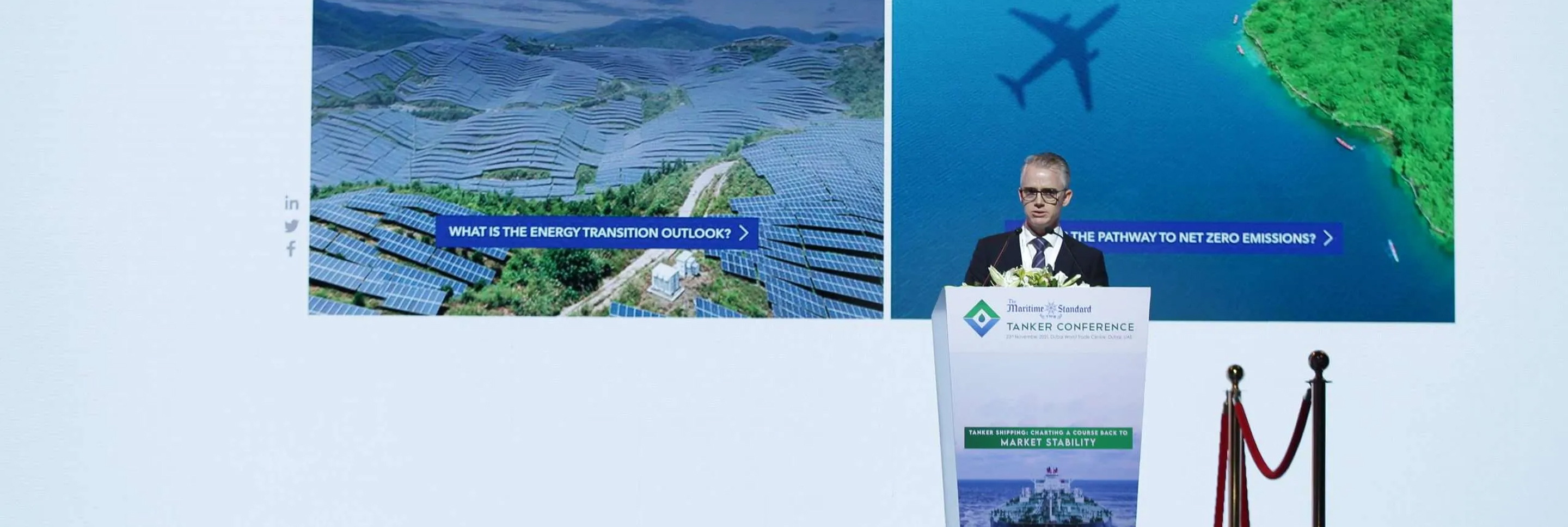
The global tanker industry is racing against time to meet ambitious decarbonisation targets set by the International Maritime Organization (IMO). With a 40% reduction in carbon intensity by 2030 and net-zero goals by 2050, shipowners face one of the most complex transitions in the industry’s history.
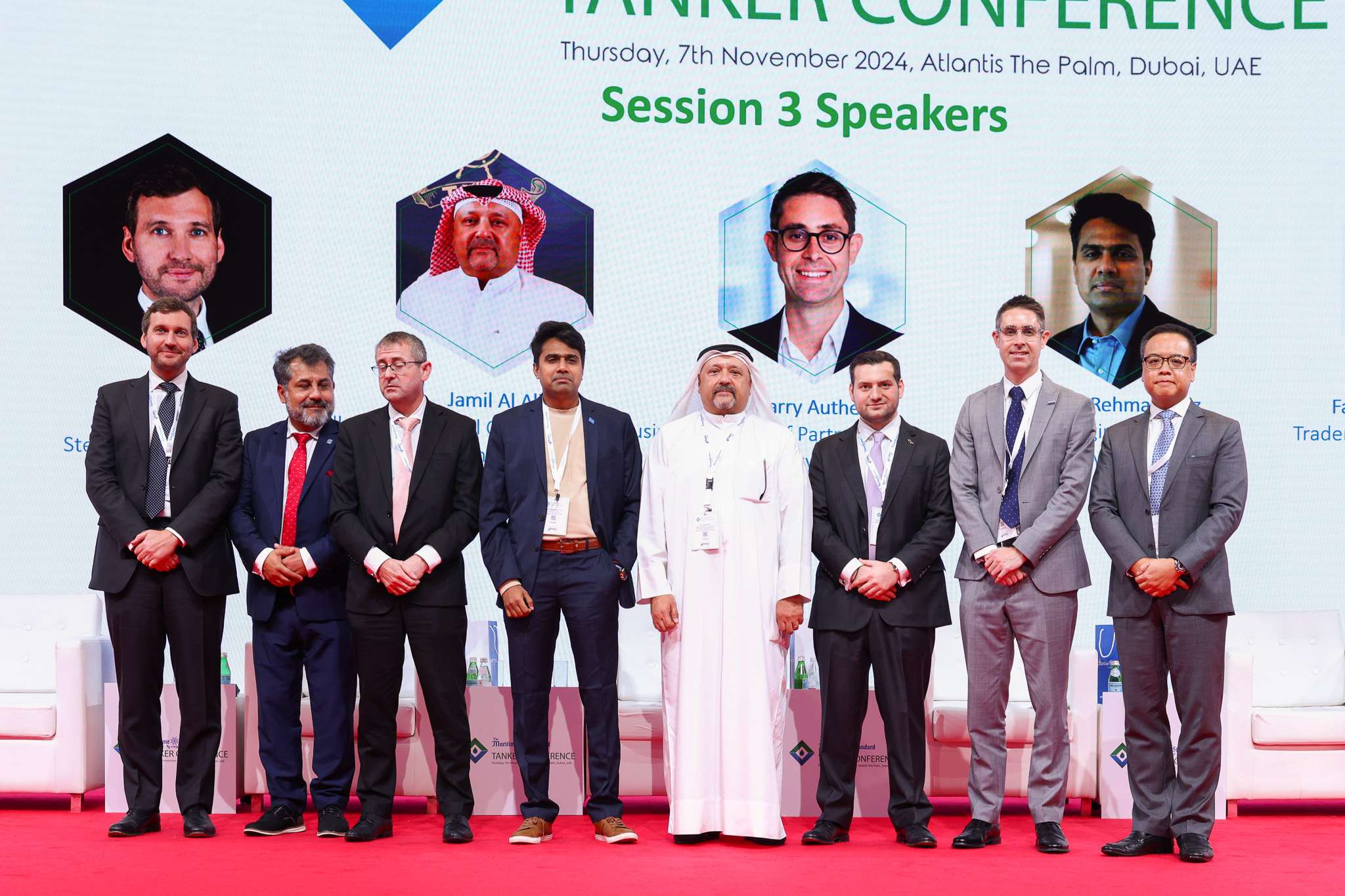
While alternative fuels like biofuels, hydrogen, and ammonia are often touted as the long-term solution, many of these remain commercially or technically unviable at scale. Against this backdrop, Carbon Capture and Storage (CCS) is emerging as a potential bridge technology—one that could help tankers cut emissions in the near to medium term while the fuel transition gathers pace.
But can CCS realistically deliver on its promise?
Carbon Capture and Storage technology involves capturing CO₂ emissions directly from a ship’s exhaust systems, processing it onboard, and then either storing or offloading it for permanent sequestration.
This creates a pathway for existing ships to reduce emissions without waiting for new fuel infrastructure.
A recent trial tested an amine-based CCS system on a medium-range (MR) tanker, with impressive but mixed results:
This demonstrates that CCS is technically feasible, but questions remain about its economic and operational viability at scale.
While promising, CCS in tanker shipping faces several hurdles:
These challenges highlight why CCS may not be a silver bullet but rather part of a portfolio of decarbonisation solutions.
Despite its limitations, CCS could play a crucial role in the shipping industry’s transition decade (2025–2035):
Rather than replacing alternative fuels, CCS can serve as a complementary strategy to close the emissions gap in the near term.
Several pilot projects and collaborations are paving the way for wider CCS adoption:
The combination of regulatory pressure and private-sector innovation could accelerate CCS adoption in the tanker sector.
For shipowners, operators, and investors, CCS is both an opportunity and a challenge. The 10th Annual Maritime Standard Tanker Conference offers a unique platform to:
Date: Thursday, 30 October 2025
Venue: Atlantis, The Palm, Dubai
This is where the future of tanker shipping’s decarbonisation will be debated and defined.
Carbon Capture and Storage is not a cure-all, but it could be a critical bridge technology for tanker shipping on the road to net zero. While costs, space constraints, and infrastructure remain challenges, CCS provides a practical and technically viable option to cut emissions while the industry prepares for alternative fuels.
The future of CCS in tanker shipping will be shaped by decisions made today.
Register now for The Maritime Standard Tanker Conference 2025 and gain the strategies needed to navigate shipping’s net-zero transition.

Gold sponsor

Gold sponsor
Silver Sponsor

Lanyards and Badges
Multimedia sponsor
Multimedia sponsor
Delegate Lunch

Conference Registration

Silver Sponsor
Gold sponsor
Gold sponsor
Silver Sponsor
Lanyards and Badges
Multimedia sponsor
Multimedia sponsor
Delegate Lunch
Conference Registration
Silver Sponsor
Gold sponsor
Gold sponsor
Silver Sponsor
Lanyards and Badges
Multimedia sponsor
Multimedia sponsor
Delegate Lunch
Conference Registration
Silver Sponsor
Gold sponsor
Gold sponsor
Silver Sponsor
Lanyards and Badges
Multimedia sponsor
Multimedia sponsor
Delegate Lunch
Conference Registration
Silver Sponsor
Gold sponsor
Gold sponsor
Silver Sponsor
Lanyards and Badges
Multimedia sponsor
Multimedia sponsor
Delegate Lunch
Conference Registration
Silver Sponsor
Gold sponsor
Gold sponsor
Silver Sponsor
Lanyards and Badges
Multimedia sponsor
Multimedia sponsor
Delegate Lunch
Conference Registration
Silver Sponsor
Advance Polymer

Main Session

General Sponsor
Delegate Bags
Gulf Energy Marine
General Sponsor
General Sponsor

General Sponsor
Advance Polymer
Main Session
General Sponsor
Delegate Bags
Gulf Energy Marine
General Sponsor
General Sponsor
General Sponsor
Advance Polymer
Main Session
General Sponsor
Delegate Bags
Gulf Energy Marine
General Sponsor
General Sponsor
General Sponsor
Advance Polymer
Main Session
General Sponsor
Delegate Bags
Gulf Energy Marine
General Sponsor
General Sponsor
General Sponsor
Advance Polymer
Main Session
General Sponsor
Delegate Bags
Gulf Energy Marine
General Sponsor
General Sponsor
General Sponsor
Advance Polymer
Main Session
General Sponsor
Delegate Bags
Gulf Energy Marine
General Sponsor
General Sponsor
General Sponsor
















Sign up for our newsletter to get the latest waves of updates, insights, and exclusive conference content.
Sign up for our newsletter to get the latest waves of updates, insights, and exclusive conference content.
© TMS Marine Conference 2026. Designed & Developed by Cheval
Back to Top