Important Dates
01 Aug, 2026
Call for Papers
11 Oct, 2026
Early Bird Offer
11 Nov, 2026
Event Date
July 2026
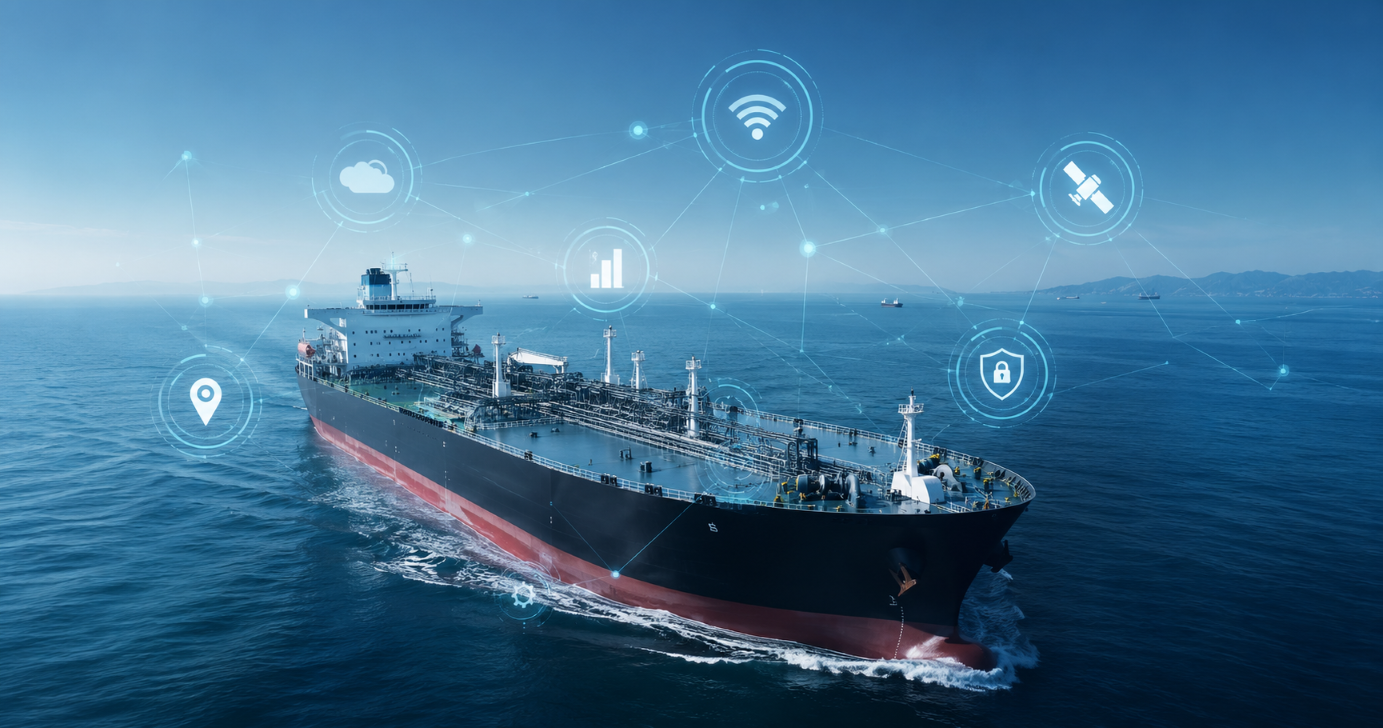
Digital Transformation in Tanker Shipping: How Smart Technologies Are Redefining Fleet Performance
The tanker shipping industry has always relied on innovation to improve safety, efficiency, and commercial performance. From advances in vessel design to increasingly sophisticated navigation systems, technological progress has consistently helped operators respond to evolving market demands. Today, however, the pace of change is accelerating as digital transformation becomes one of the defining forces shaping the future of global maritime transport.
Digital technologies are no longer viewed as optional enhancements. They are becoming central to how tanker owners, operators, charterers, ports, and technical managers plan operations, monitor assets, manage risk, and improve commercial outcomes. The availability of real-time operational data, cloud-based platforms, artificial intelligence, predictive analytics, and connected vessel systems is enabling shipping companies to make better decisions throughout the entire lifecycle of a voyage.
At the same time, increasing regulatory expectations, growing commercial competition, and higher customer expectations are encouraging companies to modernise their operations while maintaining the highest standards of safety and environmental performance.
Digital transformation is therefore not simply about adopting new software or installing onboard technology. It represents a broader shift towards integrated, data-driven decision making that supports more resilient, efficient, and sustainable tanker operations.
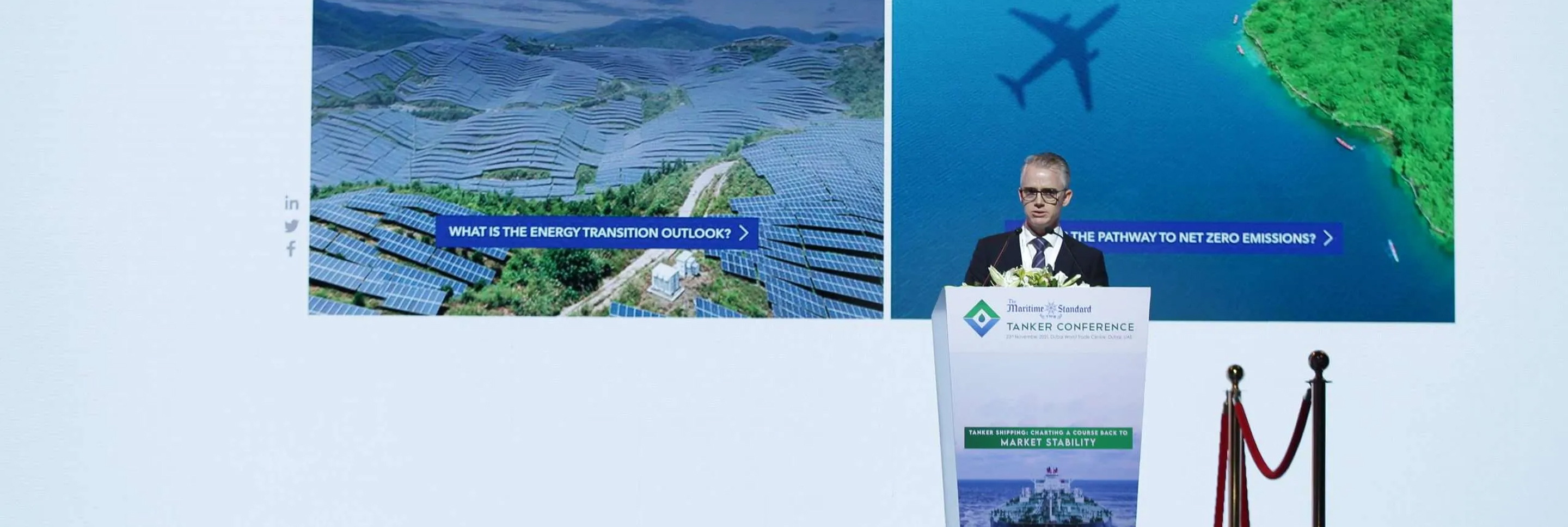
These developments will form an important part of the discussions at The Maritime Standard Tanker Conference 2026, where industry leaders will examine how technology is shaping the next generation of tanker shipping.
Why Digitalisation Has Become a Strategic Priority
Shipping has traditionally been characterised by fragmented information systems, manual reporting processes, and limited visibility across different parts of the supply chain. While these approaches served the industry for many years, they increasingly struggle to meet the demands of today's fast-moving commercial environment.
Modern tanker operations generate enormous amounts of operational data every day. Navigation systems, engine monitoring equipment, cargo management systems, weather routing platforms, fuel consumption sensors, and maintenance records all produce valuable information that can improve decision making when properly integrated.
Rather than relying solely on historical performance or individual experience, operators can now analyse large volumes of real-time information to optimise voyages, anticipate technical issues, and improve commercial planning.
Digitalisation enables companies to move from reactive management towards proactive operational control.
This transition is becoming increasingly important as fleets expand, regulatory reporting requirements become more detailed, and customers expect greater transparency throughout the transportation process.
Real-Time Fleet Visibility
One of the greatest advantages of digital transformation is the ability to monitor fleet operations continuously.
Modern fleet management platforms provide shore-based teams with live information covering vessel location, weather conditions, fuel consumption, engine performance, cargo status, and operational efficiency.
Having immediate access to this information enables operators to respond quickly when conditions change.
Voyage plans can be adjusted to improve fuel efficiency.
Maintenance activities can be scheduled before equipment failures occur.
Operational deviations can be identified earlier.
Commercial decisions can be supported by accurate performance data.
This enhanced visibility also strengthens communication between vessels and shore management, improving coordination across technical, commercial, and operational departments.
Artificial Intelligence Supporting Better Decisions
Artificial intelligence is gradually becoming an important tool across the maritime industry.
Rather than replacing experienced professionals, AI helps support faster and more informed decision making.
Machine learning systems can identify patterns across thousands of historical voyages, allowing operators to improve routing decisions, estimate arrival times more accurately, and optimise fuel consumption under different operating conditions.
AI also assists technical managers by analysing machinery performance and identifying early indicators of equipment deterioration.
This predictive capability reduces unexpected failures while improving maintenance planning and vessel availability.
Commercial teams also benefit from AI-driven forecasting models that support chartering decisions, market analysis, and fleet deployment strategies.
As these technologies continue to mature, artificial intelligence is expected to become an increasingly valuable decision-support tool throughout tanker operations.
Predictive Maintenance Improves Reliability
Traditional maintenance programmes often rely on fixed inspection intervals or corrective repairs after problems occur.
Digital monitoring systems are changing this approach.
Sensors installed throughout modern vessels continuously monitor engine performance, vibration levels, temperatures, pressures, and other critical operating parameters.
These systems detect small changes that may indicate developing technical issues long before they become serious failures.
Maintenance teams can therefore intervene earlier, reducing repair costs and avoiding unexpected operational disruptions.
Predictive maintenance also helps extend equipment life while improving vessel reliability.
For tanker operators, fewer unplanned repairs mean improved schedule integrity, higher fleet availability, and stronger commercial performance.
Data Analytics Driving Operational Excellence
Data has become one of the industry's most valuable operational assets.
Every voyage generates information that can improve future performance.
Advanced analytics platforms combine operational, technical, commercial, and environmental data into integrated dashboards that support better management decisions.
Performance indicators can be tracked across entire fleets, allowing companies to compare vessel efficiency, fuel consumption, maintenance costs, turnaround times, and emissions performance.
Management teams can identify trends that may not be visible through traditional reporting methods.
Benchmarking across fleets also encourages continuous improvement and supports more consistent operational standards. The result is greater efficiency across both shipboard and shore-based operations.
Supporting Compliance Through Digital Systems
Regulatory compliance continues to become more comprehensive across the shipping industry.
Digital systems are simplifying many administrative processes while improving reporting accuracy.
Electronic record keeping, automated emissions monitoring, digital logbooks, and integrated compliance management systems reduce manual workloads and minimise reporting errors.
These technologies allow operators to maintain accurate records while responding more efficiently to inspections and regulatory audits.
Digital documentation also improves collaboration between technical managers, classification societies, flag administrations, and port authorities.
As reporting requirements continue to evolve, digital compliance tools will play an increasingly important role in supporting operational efficiency.
Cybersecurity Becomes an Operational Priority
Greater connectivity also brings new responsibilities.
As vessels become increasingly connected through onboard networks, satellite communications, and cloud-based systems, cybersecurity has become an essential component of operational resilience.
Shipping companies are investing in stronger cyber governance, employee awareness programmes, system monitoring, and network protection to safeguard operational continuity.
Cyber resilience is now considered alongside traditional safety management and risk management frameworks. Protecting digital infrastructure is becoming just as important as maintaining physical assets.
For tanker operators managing valuable cargoes and complex global operations, cybersecurity is increasingly recognised as an integral part of responsible business management.
Digital Collaboration Across the Maritime Supply Chain
Digital transformation is extending beyond individual shipping companies.
Ports, terminals, bunker suppliers, classification societies, charterers, and logistics providers are increasingly exchanging operational information through integrated digital platforms.
This improved collaboration reduces administrative delays, supports more accurate scheduling, and enhances visibility throughout the supply chain.
Electronic documentation, digital port clearance processes, and integrated logistics platforms help streamline cargo movements while reducing unnecessary waiting time.
Better coordination benefits every stakeholder involved in tanker transportation.
The industry is steadily moving towards more connected and collaborative operating models that improve both efficiency and customer service.
Preparing the Workforce for Digital Shipping
Technology alone cannot deliver successful transformation.
People remain at the centre of every successful digital strategy.
Shipping companies are investing heavily in training programmes that equip both seafarers and shore-based professionals with the skills needed to operate increasingly sophisticated digital systems.
Digital literacy, data interpretation, cyber awareness, and technology management are becoming valuable competencies throughout the maritime workforce.
Organisations that combine experienced maritime professionals with strong digital capabilities are likely to gain the greatest long-term benefits.
Building this balance between technology and human expertise will remain essential as digital transformation continues to accelerate.
Looking Ahead: Building the Smart Tanker Fleet of the Future
The tanker fleet of the future will be increasingly connected, intelligent, and data driven.
Digital transformation is not replacing traditional maritime expertise but strengthening it through better information, faster decision making, and more efficient operations.
Companies that successfully integrate digital technologies into their commercial, technical, and operational strategies will be better positioned to respond to changing market conditions while improving safety, reliability, and environmental performance.
Investment in digital capability is becoming an investment in long-term competitiveness. As technology continues to evolve, collaboration between shipowners, technology providers, regulators, ports, and classification societies will become increasingly important in shaping the next generation of smart tanker operations.
The Conversation Continues at TMS Tanker Conference 2026
Digital transformation is rapidly reshaping every aspect of tanker shipping, from fleet management and voyage optimisation to compliance, maintenance, and commercial decision making.
As the industry continues to embrace connected technologies and data-driven operations, sharing practical experience and industry insights becomes increasingly valuable.
The TMS Tanker Conference 2026 will bring together shipowners, operators, technology providers, classification societies, ports, energy companies, and maritime leaders to explore how digital innovation is strengthening operational resilience, improving fleet performance, and supporting the long-term competitiveness of the global tanker industry.

Gold sponsor
Gold sponsor
Silver Sponsor
Lanyards and Badges
Multimedia sponsor
Multimedia sponsor
Delegate Lunch
Conference Registration
Silver Sponsor
Gold sponsor
Gold sponsor
Silver Sponsor
Lanyards and Badges
Multimedia sponsor
Multimedia sponsor
Delegate Lunch
Conference Registration
Silver Sponsor
Gold sponsor
Gold sponsor
Silver Sponsor
Lanyards and Badges
Multimedia sponsor
Multimedia sponsor
Delegate Lunch
Conference Registration
Silver Sponsor
Gold sponsor
Gold sponsor
Silver Sponsor
Lanyards and Badges
Multimedia sponsor
Multimedia sponsor
Delegate Lunch
Conference Registration
Silver Sponsor
Gold sponsor
Gold sponsor
Silver Sponsor
Lanyards and Badges
Multimedia sponsor
Multimedia sponsor
Delegate Lunch
Conference Registration
Silver Sponsor
Gold sponsor
Gold sponsor
Silver Sponsor
Lanyards and Badges
Multimedia sponsor
Multimedia sponsor
Delegate Lunch
Conference Registration
Silver Sponsor
Advance Polymer
Main Session

General Sponsor
Delegate Bags
Gulf Energy Marine
General Sponsor
General Sponsor
General Sponsor
Advance Polymer
Main Session
General Sponsor
Delegate Bags
Gulf Energy Marine
General Sponsor
General Sponsor
General Sponsor
Advance Polymer
Main Session
General Sponsor
Delegate Bags
Gulf Energy Marine
General Sponsor
General Sponsor
General Sponsor
Advance Polymer
Main Session
General Sponsor
Delegate Bags
Gulf Energy Marine
General Sponsor
General Sponsor
General Sponsor
Advance Polymer
Main Session
General Sponsor
Delegate Bags
Gulf Energy Marine
General Sponsor
General Sponsor
General Sponsor
Advance Polymer
Main Session
General Sponsor
Delegate Bags
Gulf Energy Marine
General Sponsor
General Sponsor
General Sponsor










Sign up for our newsletter to get the latest waves of updates, insights, and exclusive conference content.
Sign up for our newsletter to get the latest waves of updates, insights, and exclusive conference content.
© TMS Marine Conference 2026. Designed & Developed by Cheval
Back to Top