Important Dates
01 Aug, 2026
Call for Papers
11 Oct, 2026
Early Bird Offer
11 Nov, 2026
Event Date
July 2026
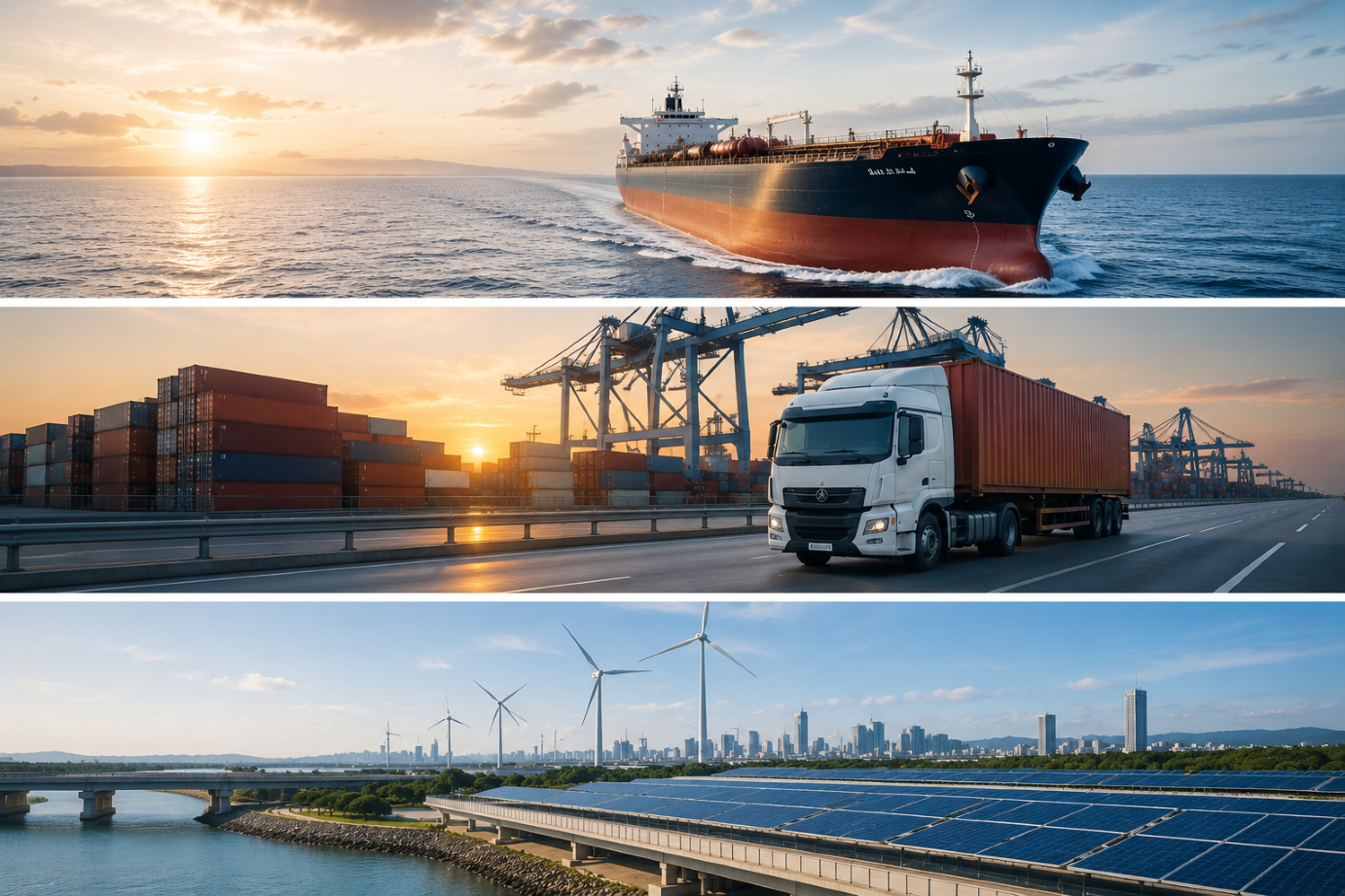
Energy Transition and the Changing Dynamics of Tanker Markets
The global energy system is undergoing a gradual but deeply consequential transformation. While traditional energy sources such as crude oil and refined petroleum products continue to play a foundational role in global economic activity, the broader direction of travel is unmistakably toward diversification, efficiency, and lower-carbon intensity across energy supply chains.
For the tanker shipping industry, this transition is not a sudden disruption but an evolving structural shift. It is reshaping demand patterns, altering global trade flows, and influencing long-term investment decisions across fleets, infrastructure, and maritime logistics networks.
Unlike earlier cyclical phases in the shipping industry, the current transition is characterised by overlapping forces: evolving energy demand centres, regulatory tightening, technological acceleration, and changing commercial behaviours. As a result, tanker markets are entering a period where adaptability and strategic foresight are becoming essential for long-term competitiveness.
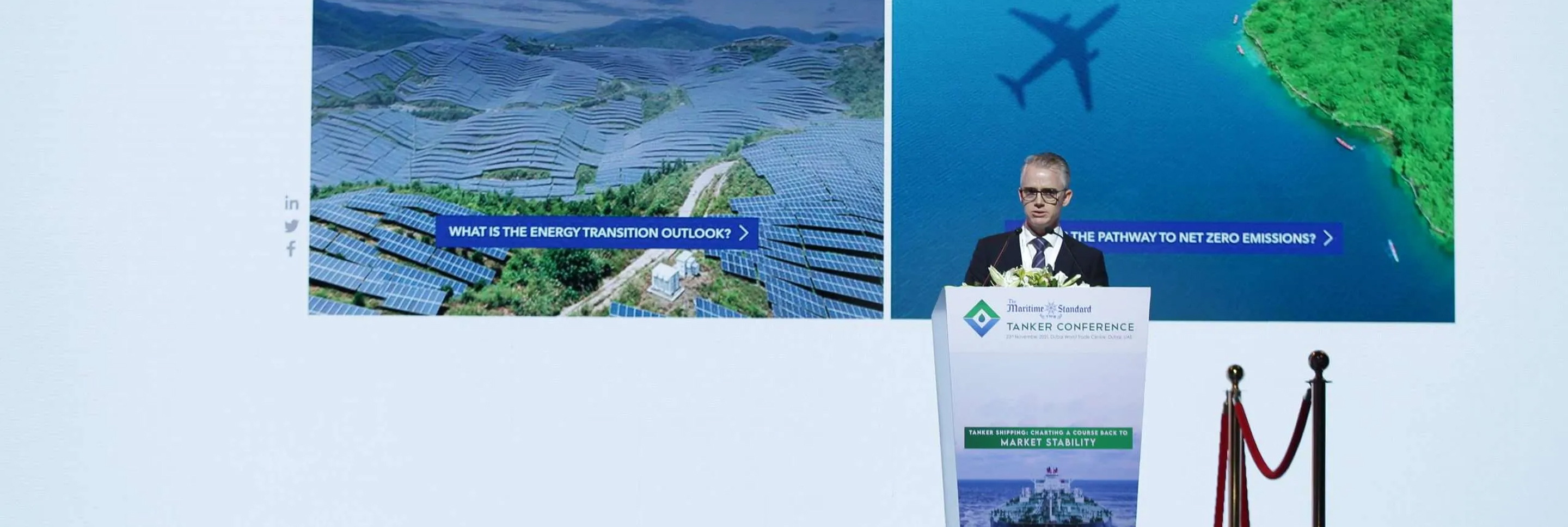
The TMS Tanker Conference 2026 provides a timely platform to examine these changes in depth and to assess how industry leaders are responding to the evolving dynamics of global energy transport.
The Evolving Role of Tanker Shipping in Global Energy Supply Chains
Tanker shipping remains a critical pillar of global energy logistics. Despite ongoing changes in consumption patterns and diversification of energy sources, the transportation of crude oil, refined petroleum products, and associated commodities continues to underpin global energy security.
However, what is changing significantly is the geography of energy production and consumption. New refining hubs, shifting export capacities, and evolving demand centres are redefining traditional trade routes. This has resulted in longer average voyage distances in certain corridors, increased complexity in fleet deployment, and a more dynamic chartering environment.
In many cases, tanker operators are now required to serve multiple trade lanes with varying demand profiles, requiring a higher degree of operational flexibility than in previous market cycles. Fleet utilisation strategies are becoming more sophisticated, with greater emphasis on dynamic routing, vessel positioning, and commercial agility.
At the same time, global energy security considerations continue to reinforce the importance of tanker shipping as an indispensable link in the supply chain. Even as energy systems evolve, the need for reliable, scalable maritime transport of liquid energy remains strong.
Market Adaptation and the Evolution of Fleet Strategy
Fleet strategy has emerged as one of the most important areas of focus in navigating the energy transition. Tanker operators are increasingly adopting long-term planning frameworks that account for shifting demand profiles, regulatory expectations, and evolving vessel performance requirements.
A key trend is the growing emphasis on fleet versatility. Modern tanker designs and operational strategies are increasingly evaluated on their ability to serve multiple cargo types and adapt to different trade routes. This flexibility is particularly important in an environment where demand patterns are less predictable and more regionally differentiated than in the past.
Age profile management is another critical consideration. Operators are carefully assessing vessel replacement cycles, retrofit opportunities, and life-extension strategies to optimise returns while maintaining compliance with environmental and safety standards. Efficiency upgrades are also playing a central role in fleet strategy.
nvestments in hull optimisation, propulsion efficiency, and digital performance monitoring are helping operators reduce fuel consumption and improve overall operational economics. Importantly, investment decisions in tanker shipping are no longer based solely on short-term freight market conditions.
nstead, they are increasingly shaped by long-term expectations around energy demand evolution, regulatory direction, and capital availability. This shift marks a significant change in how shipping companies approach capital allocation and risk management.
Regulatory Landscape and Environmental Performance Expectations
Environmental regulation continues to be one of the most influential drivers of change in tanker shipping. Over the past decade, the industry has seen a steady increase in the scope and complexity of environmental compliance requirements.
These regulations are not only focused on emissions reduction but also on operational transparency, fuel efficiency, and environmental reporting standards. As a result, tanker operators are required to integrate compliance considerations into every stage of operational planning.
This has led to a stronger emphasis on emissions monitoring systems, fuel optimisation strategies, and voyage efficiency analysis. Real-time performance tracking is increasingly used to ensure vessels operate within defined environmental parameters while maintaining commercial competitiveness.
At the same time, the industry is actively exploring longer-term pathways to reduce environmental impact. These include investment in alternative fuels, energy-efficient vessel designs, and operational practices that minimise carbon intensity. However, the transition remains complex, particularly given the need to balance environmental objectives with commercial viability and energy demand realities.
As a result, many operators are adopting phased and pragmatic approaches to sustainability, focusing on incremental improvements rather than abrupt structural changes. This balance between compliance, efficiency, and competitiveness is expected to remain a defining feature of tanker operations in the years ahead.
Digital Transformation and the Rise of Data-Driven Shipping
Digital transformation is playing an increasingly central role in shaping the tanker industry’s response to energy transition. The integration of advanced data analytics, automation tools, and digital platforms is fundamentally changing how vessels are operated, monitored, and optimised.
Modern tanker operations now rely heavily on real-time data to support decision-making across multiple functions, including voyage planning, fuel consumption management, cargo optimisation, and predictive maintenance. Digital tools enable operators to identify inefficiencies, reduce operational uncertainty, and enhance overall fleet performance.
In many cases, these systems are also improving coordination between ship and shore-based teams, leading to more integrated and responsive operational models. Automation is further enhancing operational consistency, particularly in areas such as performance reporting and regulatory compliance.
This reduces administrative burden while improving data accuracy and transparency. Looking ahead, the role of digitalisation is expected to expand significantly. Emerging technologies such as artificial intelligence, machine learning, and advanced simulation models are likely to play an increasingly important role in fleet management and strategic planning.
The shift toward data-driven shipping represents not only a technological evolution but also a cultural transformation within the industry.
Investment Trends and Long-Term Market Positioning
Energy transition is also influencing investment patterns within the tanker sector. Investors and operators are increasingly focused on long-term value creation rather than short-term market cycles.
This has led to greater interest in fleet quality, operational efficiency, and asset resilience. Ships that demonstrate strong environmental performance, operational flexibility, and digital integration are likely to attract stronger long-term investment interest.
At the same time, capital allocation strategies are becoming more selective. Decisions around newbuilds, retrofits, and fleet expansion are increasingly evaluated through the lens of future regulatory compliance and market adaptability.
Private equity, institutional investors, and strategic maritime funds are also playing a growing role in shaping the capital landscape of the tanker industry. This diversification of funding sources is contributing to a more sophisticated and globally integrated investment environment.
The energy transition represents one of the most significant structural developments shaping the future of tanker shipping. While it introduces complexity and uncertainty, it also creates opportunities for innovation, efficiency gains, and strategic repositioning across the industry.
Tanker markets are evolving into a more dynamic, data-driven, and environmentally conscious ecosystem, where adaptability and long-term planning are essential for success. As global energy systems continue to evolve, tanker shipping will remain a vital component of international trade and energy security.
The ability of industry participants to anticipate change, invest wisely, and operate efficiently will determine their position in the next phase of market development.
The TMS Tanker Conference 2026 will provide a platform for leading industry voices to examine these developments and share insights on how the sector is preparing for the future of global energy logistics.

Gold sponsor
Gold sponsor
Silver Sponsor
Lanyards and Badges
Multimedia sponsor
Multimedia sponsor
Delegate Lunch

Conference Registration

Silver Sponsor
Gold sponsor
Gold sponsor
Silver Sponsor
Lanyards and Badges
Multimedia sponsor
Multimedia sponsor
Delegate Lunch
Conference Registration
Silver Sponsor
Gold sponsor
Gold sponsor
Silver Sponsor
Lanyards and Badges
Multimedia sponsor
Multimedia sponsor
Delegate Lunch
Conference Registration
Silver Sponsor
Gold sponsor
Gold sponsor
Silver Sponsor
Lanyards and Badges
Multimedia sponsor
Multimedia sponsor
Delegate Lunch
Conference Registration
Silver Sponsor
Gold sponsor
Gold sponsor
Silver Sponsor
Lanyards and Badges
Multimedia sponsor
Multimedia sponsor
Delegate Lunch
Conference Registration
Silver Sponsor
Gold sponsor
Gold sponsor
Silver Sponsor
Lanyards and Badges
Multimedia sponsor
Multimedia sponsor
Delegate Lunch
Conference Registration
Silver Sponsor
Advance Polymer
Main Session

General Sponsor
Delegate Bags
Gulf Energy Marine
General Sponsor
General Sponsor
General Sponsor
Advance Polymer
Main Session
General Sponsor
Delegate Bags
Gulf Energy Marine
General Sponsor
General Sponsor
General Sponsor
Advance Polymer
Main Session
General Sponsor
Delegate Bags
Gulf Energy Marine
General Sponsor
General Sponsor
General Sponsor
Advance Polymer
Main Session
General Sponsor
Delegate Bags
Gulf Energy Marine
General Sponsor
General Sponsor
General Sponsor
Advance Polymer
Main Session
General Sponsor
Delegate Bags
Gulf Energy Marine
General Sponsor
General Sponsor
General Sponsor
Advance Polymer
Main Session
General Sponsor
Delegate Bags
Gulf Energy Marine
General Sponsor
General Sponsor
General Sponsor











Sign up for our newsletter to get the latest waves of updates, insights, and exclusive conference content.
Sign up for our newsletter to get the latest waves of updates, insights, and exclusive conference content.
© TMS Marine Conference 2026. Designed & Developed by Cheval
Back to Top