Important Dates
01 Aug, 2026
Call for Papers
11 Oct, 2026
Early Bird Offer
11 Nov, 2026
Event Date
July 2026
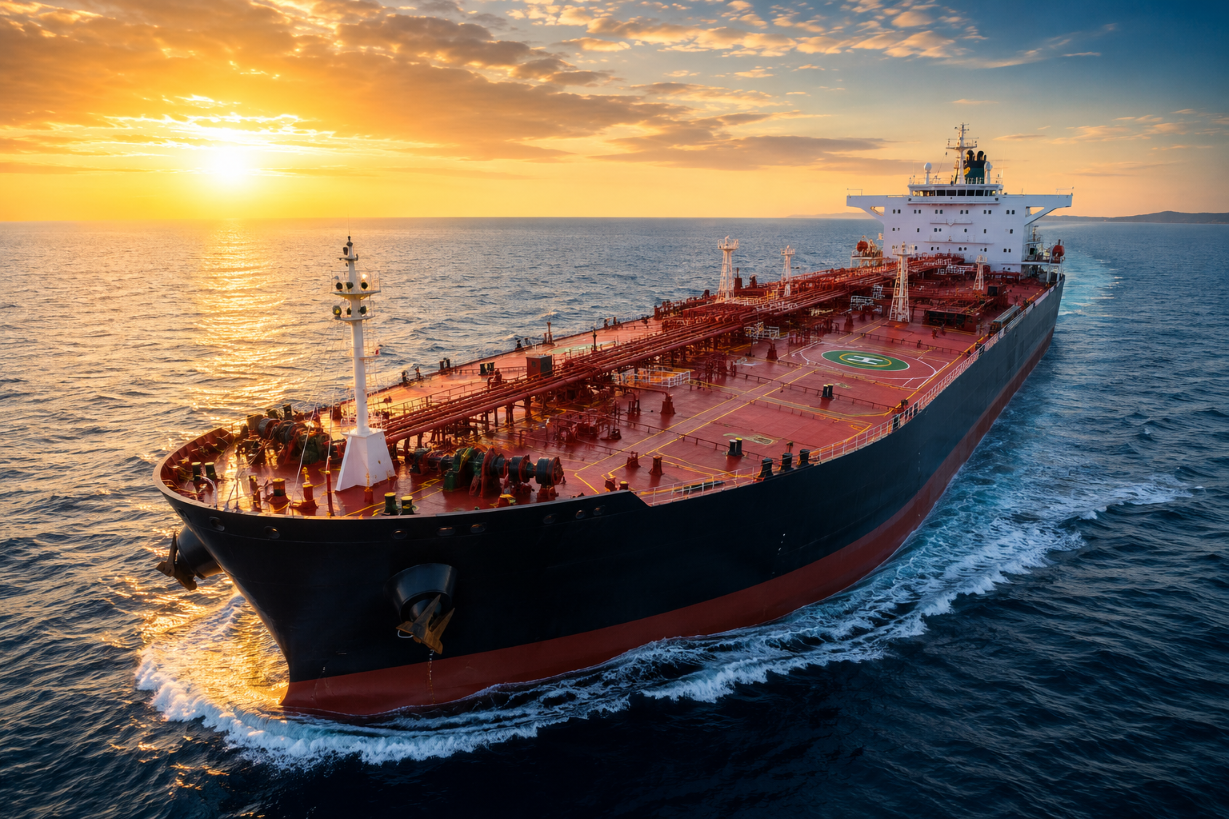
Operational Resilience in Tanker Shipping: Building the Next Generation of Fleet Performance
The tanker shipping industry has always operated in a demanding environment, balancing commercial pressures with stringent safety standards, regulatory requirements, and operational complexity. However, the challenges facing the sector today are broader and more interconnected than ever before. Market volatility, evolving environmental regulations, technological transformation, changing customer expectations, and increasingly sophisticated operational requirements are redefining what it means to operate a successful tanker fleet.
Against this backdrop, operational resilience has emerged as one of the most important priorities for tanker owners, operators, charterers, and maritime stakeholders. Resilience is no longer simply about responding effectively to disruptions. It is about building organisations and fleets capable of maintaining high performance, safety, reliability, and competitiveness under constantly changing conditions.
As tanker markets continue to evolve, companies that successfully combine operational excellence, technological innovation, effective risk management, and strong human capital development will be best positioned for long-term success.
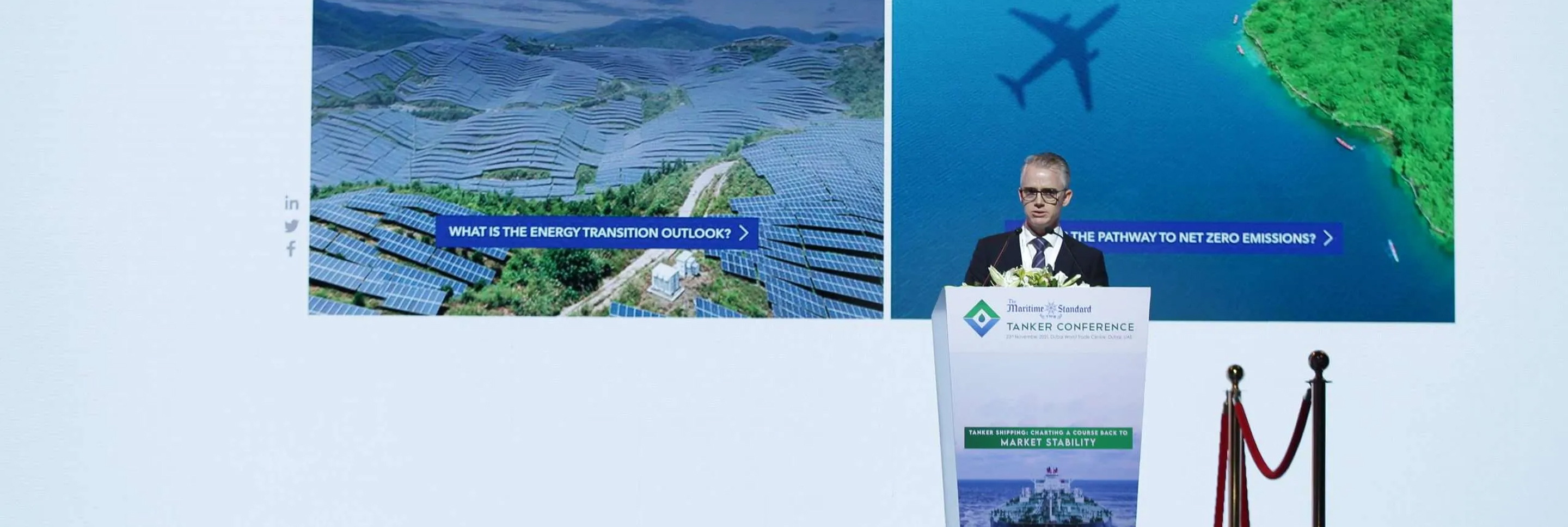
The TMS Tanker Conference 2026 will provide an important platform for industry leaders to examine how operational resilience is shaping the future of tanker shipping and how organisations can strengthen their capabilities in an increasingly complex operating environment.
Understanding Operational Resilience in Modern Tanker Shipping
Operational resilience can be defined as the ability of an organisation to anticipate, prepare for, respond to, and recover from operational challenges while maintaining continuity of service and performance.
In the context of tanker shipping, resilience encompasses a broad range of activities and functions. It extends beyond vessel operations to include fleet management, crewing, maintenance planning, cargo operations, regulatory compliance, commercial strategy, and stakeholder engagement.
Modern tanker operations depend on the seamless interaction of numerous moving parts. A disruption in one area can have consequences across the entire operational chain. Delays in port operations, equipment failures, supply chain disruptions, regulatory changes, or unexpected market developments can all impact fleet performance and commercial outcomes.
As a result, tanker operators are increasingly adopting integrated approaches that focus not only on responding to challenges but also on building systems and processes capable of withstanding uncertainty.
The industry's growing emphasis on resilience reflects a recognition that long-term success depends on adaptability as much as efficiency.
Fleet Performance as a Competitive Advantage
Fleet performance remains one of the most important indicators of operational success. High-performing fleets are characterised by reliability, efficiency, safety, and consistency across all operational areas.
In today's competitive tanker market, operational performance directly influences commercial outcomes. Charterers increasingly seek partners that can demonstrate strong safety records, reliable service delivery, and efficient vessel operations.
This has encouraged operators to place greater emphasis on performance optimisation across their fleets. Rather than focusing solely on individual vessels, many companies now evaluate performance through a fleet-wide lens, using data and analytics to identify trends, benchmark results, and drive continuous improvement.
Performance metrics commonly monitored include:
• Fuel consumption efficiency
• Vessel availability
• Port turnaround times
• Maintenance performance
• Safety indicators
• Emissions performance
• Crew retention and competency levels
By closely monitoring these indicators, operators can make more informed decisions and implement targeted improvements that strengthen overall fleet resilience.
Technology as a Driver of Operational Excellence
Technology is playing an increasingly important role in helping tanker operators improve resilience and performance.
The rapid growth of digitalisation has transformed how fleets are managed, monitored, and optimised. Modern vessels generate vast amounts of operational data that can be analysed to improve efficiency, reduce costs, and enhance decision-making.
Advanced vessel monitoring systems provide real-time insights into equipment performance, fuel consumption, weather conditions, and voyage progress. This allows operators to identify issues early and take corrective action before they develop into larger operational problems.
Predictive maintenance has emerged as one of the most valuable applications of digital technology. Rather than relying solely on scheduled maintenance intervals, operators can now use data to predict equipment failures and plan maintenance activities more effectively.
This approach reduces downtime, improves reliability, and extends asset life. Digital twins and simulation technologies are also gaining traction. These tools allow operators to model vessel performance under different operating conditions, helping identify opportunities for efficiency improvements and operational optimisation.
As technology continues to evolve, digital capabilities will become increasingly central to building resilient tanker operations.
Safety Culture and Risk Management
Safety has always been a cornerstone of tanker shipping. However, the concept of safety has broadened significantly in recent years.
Modern safety management extends beyond traditional accident prevention and includes environmental protection, cyber security, operational integrity, and regulatory compliance.
Successful tanker operators are increasingly adopting holistic risk management frameworks that integrate operational, technical, commercial, and strategic risks into a unified approach.
This enables organisations to identify vulnerabilities more effectively and develop mitigation strategies before problems arise.
Strong safety cultures are characterised by:
• Clear leadership commitment
• Continuous training and competency development
• Open reporting systems
• Proactive incident prevention
• Continuous improvement processes
Companies that embed safety into their organisational culture tend to achieve stronger operational performance and greater resilience over the long term.
In a sector where reputation and reliability are critical, effective risk management has become a significant competitive advantage.
Human Capital Remains Essential
While automation and digitalisation are transforming tanker operations, people remain at the heart of the industry.
Seafarers, technical managers, operations teams, and shore-based specialists continue to play a critical role in ensuring safe and efficient vessel operations.
The increasing complexity of modern shipping requires a workforce with a diverse range of skills. In addition to traditional maritime competencies, personnel must now understand digital systems, environmental regulations, data analytics, and emerging operational technologies.
This is driving significant investment in training and professional development across the industry.
Forward-thinking operators are focusing on:
• Leadership development
• Digital competency training
• Environmental awareness programmes
• Advanced safety training
• Talent retention initiatives
Continuous learning is becoming a defining characteristic of resilient organisations.
Companies that invest in people are better positioned to adapt to changing market conditions and maintain high operational standards.
Sustainability and Operational Adaptation
Environmental performance is now a core component of operational resilience.
Sustainability is no longer treated as a separate initiative but is increasingly integrated into everyday operational decision-making. Tanker operators recognise that long-term competitiveness depends on improving efficiency while reducing environmental impact.
This has led to growing investment in:
• Energy efficiency technologies
• Emissions monitoring systems
• Voyage optimisation software
• Alternative fuel readiness
• Fleet modernisation programmes
Operators are also examining how sustainability initiatives can support broader business objectives by improving efficiency, reducing operating costs, and enhancing stakeholder confidence.
The ability to align commercial performance with environmental objectives is becoming an important differentiator within the tanker market.
As environmental expectations continue to evolve, resilience will increasingly depend on an organisation's ability to adapt quickly while maintaining operational effectiveness.
Collaboration Across the Maritime Value Chain
Operational resilience cannot be achieved in isolation.
Today's tanker operations depend on effective collaboration between shipowners, operators, charterers, ports, technology providers, classification societies, insurers, and regulators.
Information sharing, industry partnerships, and collaborative problem-solving are becoming increasingly important in addressing complex operational challenges.
Greater cooperation enables stakeholders to:
• Improve supply chain visibility
• Enhance operational efficiency
• Strengthen safety standards
• Accelerate innovation
• Improve environmental performance
The most resilient organisations are often those that actively engage with partners across the maritime ecosystem and embrace collaborative approaches to industry challenges.
Looking Ahead: The Future of Resilient Tanker Operations
The future of tanker shipping will be shaped by an increasingly dynamic operating environment. Market conditions, technology, regulation, and customer expectations will continue to evolve, creating both opportunities and challenges.
Operational resilience will therefore remain a strategic priority.
Future industry leaders will likely be organisations that successfully integrate:
• Advanced technology
• Strong safety cultures
• Effective risk management
• Skilled workforces
• Sustainable operating practices
• Long-term strategic thinking
Rather than viewing resilience as a defensive capability, forward-looking companies are increasingly treating it as a driver of competitive advantage and long-term value creation.
Operational resilience is no longer an optional capability in tanker shipping. It has become a fundamental requirement for maintaining performance, managing risk, and achieving long-term success.
As the industry navigates evolving market dynamics, environmental expectations, and technological transformation, resilient organisations will be better equipped to adapt, innovate, and thrive.
By combining operational excellence, digital innovation, robust risk management, and investment in people, tanker operators can build the next generation of high-performing fleets capable of meeting the demands of a rapidly changing maritime landscape.
The TMS Tanker Conference 2026 will bring together industry leaders, experts, and decision-makers to explore these important themes and discuss how the sector is building a more resilient, efficient, and sustainable future for tanker shipping.

Gold sponsor
Gold sponsor
Silver Sponsor
Lanyards and Badges
Multimedia sponsor
Multimedia sponsor
Delegate Lunch
Conference Registration

Silver Sponsor
Gold sponsor
Gold sponsor
Silver Sponsor
Lanyards and Badges
Multimedia sponsor
Multimedia sponsor
Delegate Lunch
Conference Registration
Silver Sponsor
Gold sponsor
Gold sponsor
Silver Sponsor
Lanyards and Badges
Multimedia sponsor
Multimedia sponsor
Delegate Lunch
Conference Registration
Silver Sponsor
Gold sponsor
Gold sponsor
Silver Sponsor
Lanyards and Badges
Multimedia sponsor
Multimedia sponsor
Delegate Lunch
Conference Registration
Silver Sponsor
Gold sponsor
Gold sponsor
Silver Sponsor
Lanyards and Badges
Multimedia sponsor
Multimedia sponsor
Delegate Lunch
Conference Registration
Silver Sponsor
Gold sponsor
Gold sponsor
Silver Sponsor
Lanyards and Badges
Multimedia sponsor
Multimedia sponsor
Delegate Lunch
Conference Registration
Silver Sponsor
Advance Polymer
Main Session

General Sponsor
Delegate Bags
Gulf Energy Marine
General Sponsor
General Sponsor
General Sponsor
Advance Polymer
Main Session
General Sponsor
Delegate Bags
Gulf Energy Marine
General Sponsor
General Sponsor
General Sponsor
Advance Polymer
Main Session
General Sponsor
Delegate Bags
Gulf Energy Marine
General Sponsor
General Sponsor
General Sponsor
Advance Polymer
Main Session
General Sponsor
Delegate Bags
Gulf Energy Marine
General Sponsor
General Sponsor
General Sponsor
Advance Polymer
Main Session
General Sponsor
Delegate Bags
Gulf Energy Marine
General Sponsor
General Sponsor
General Sponsor
Advance Polymer
Main Session
General Sponsor
Delegate Bags
Gulf Energy Marine
General Sponsor
General Sponsor
General Sponsor









Sign up for our newsletter to get the latest waves of updates, insights, and exclusive conference content.
Sign up for our newsletter to get the latest waves of updates, insights, and exclusive conference content.
© TMS Marine Conference 2026. Designed & Developed by Cheval
Back to Top