
Important Dates
01 Aug, 2026
Call for Papers
11 Oct, 2026
Early Bird Offer
11 Nov, 2026
Event Date
October 2025
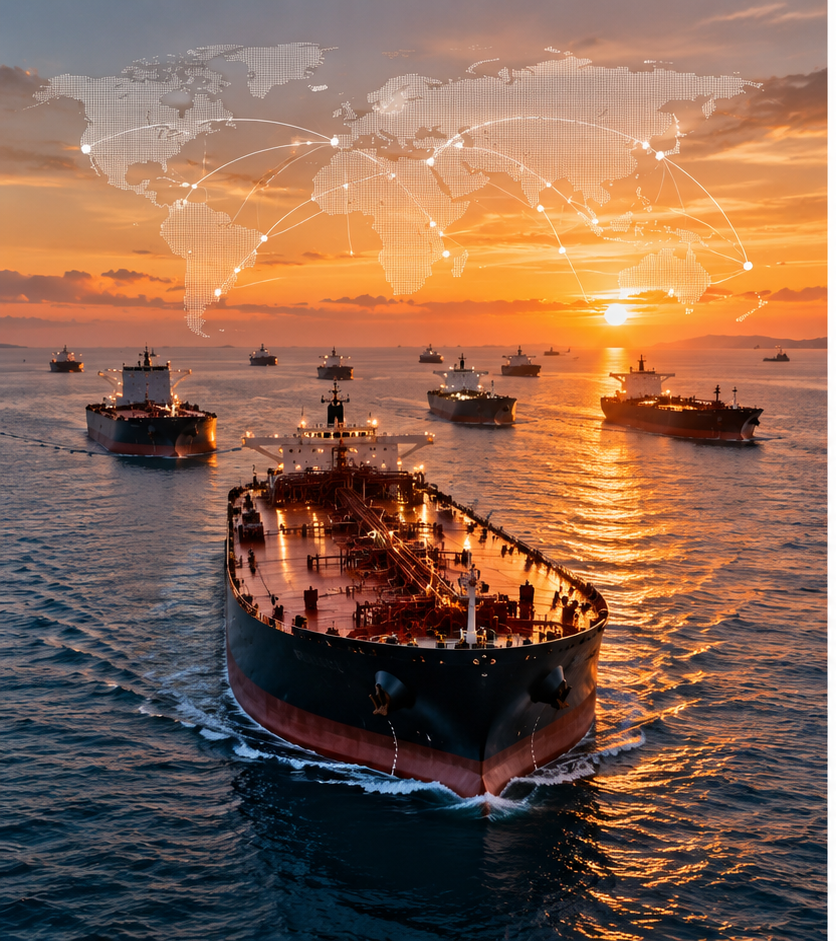
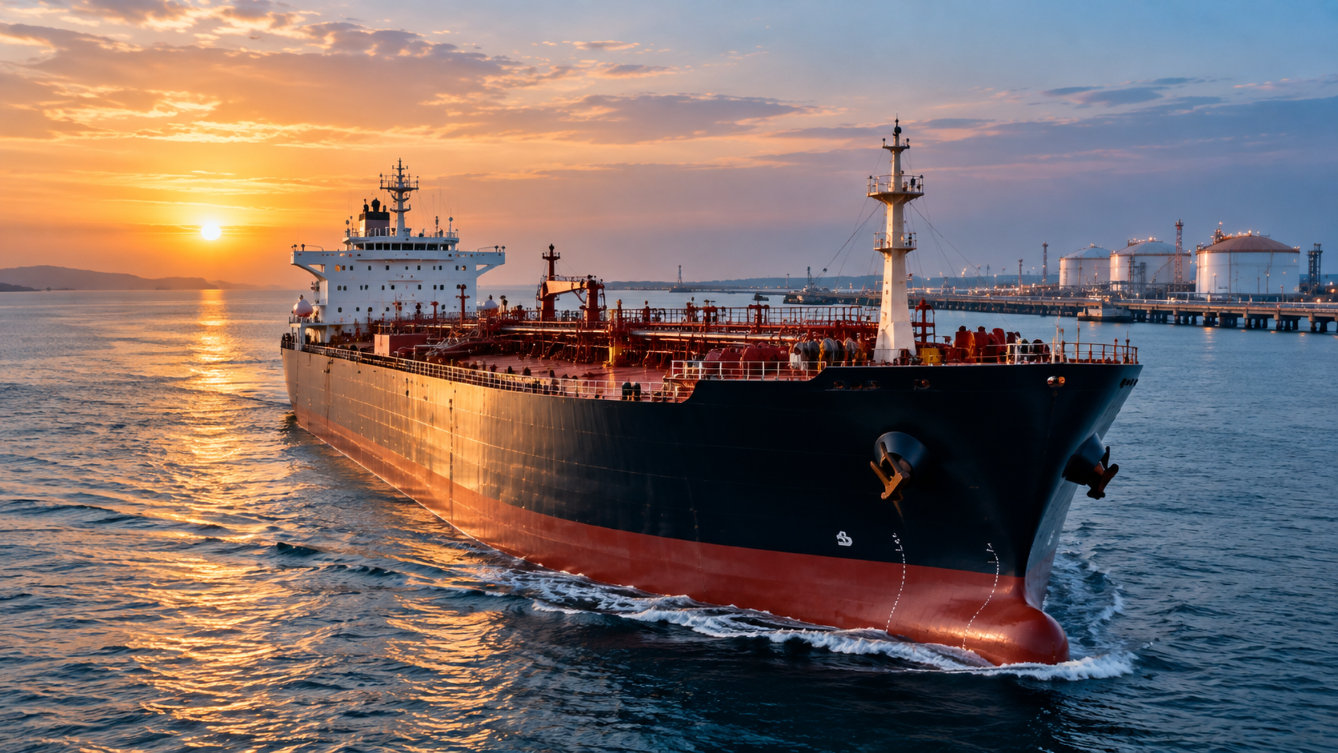
The maritime industry is standing at a crossroads. For decades, tanker shipping has been the backbone of global energy transport, but now it faces an unprecedented challenge: decarbonisation. The International Maritime Organization (IMO) has set ambitious targets to cut greenhouse gas (GHG) emissions, pushing shipowners, operators, and investors to rethink strategies, operations, and future investments. But the real question is—can the tanker sector truly achieve these decarbonisation targets, or is it just an optimistic vision still far from reality?
In this article, we dive deep into the IMO’s regulatory roadmap, industry responses, technological innovations, and investment implications to understand whether decarbonisation in tanker shipping is fact or fiction.
The IMO has been tightening environmental regulations steadily over the past decade. The landmark targets introduced in 2023 called for a 40% reduction in carbon intensity by 2030 (compared to 2008 levels). To achieve this, measures like the Energy Efficiency Existing Ship Index (EEXI) and the Carbon Intensity Indicator (CII) have already been enforced, requiring both design and operational improvements from tanker owners.
But that’s only the beginning. At MEPC-83, the IMO approved a new set of measures that will take effect in 2028:
These developments mark a fundamental shift: decarbonisation is no longer optional—it is a regulatory and financial necessity.
Experts predict that shipping could achieve a 30–40% carbon intensity reduction by 2030, but this assumes rapid adoption of energy efficiency measures and alternative fuels. Let’s look at the key realities shaping this outlook:
Decarbonisation in tanker shipping will hinge on innovation. Some of the most promising pathways include:
Financial institutions are now factoring in sustainability when funding new projects. The Poseidon Principles and Sea Cargo Charter are examples of frameworks linking financing to emission reduction goals. For tanker owners, this means:
The shift is clear: those who adapt early will benefit from competitive advantage and long-term resilience.
So, is decarbonisation in tanker shipping a tangible reality or just an ambitious dream? The answer lies somewhere in between.
In short, decarbonisation in tanker shipping is no longer fiction—it’s a work in progress. The pace of adoption will determine how quickly ambition translates into measurable results.
The transition to low-carbon tanker shipping brings opportunities as well as risks. To stay ahead, industry leaders must engage in knowledge-sharing, strategic discussions, and collaborative initiatives.
That’s where the 10th Annual Maritime Standard Tanker Conference comes in.
Date: Thursday, 30 October 2025
Venue: Atlantis, The Palm, Dubai
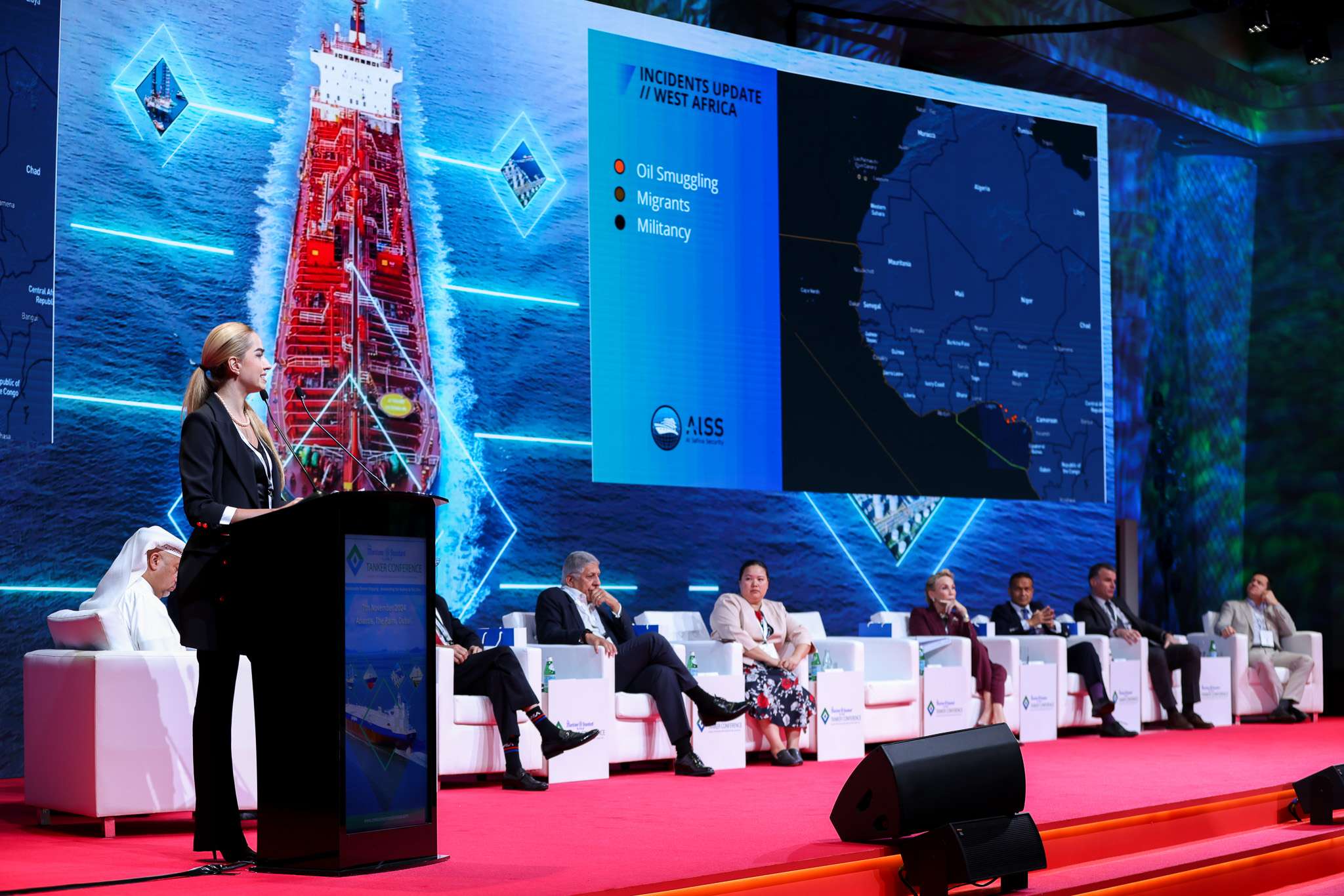
This year’s event will feature:
By attending, you’ll not only gain insights but also position yourself and your business at the forefront of the tanker industry’s green transition.
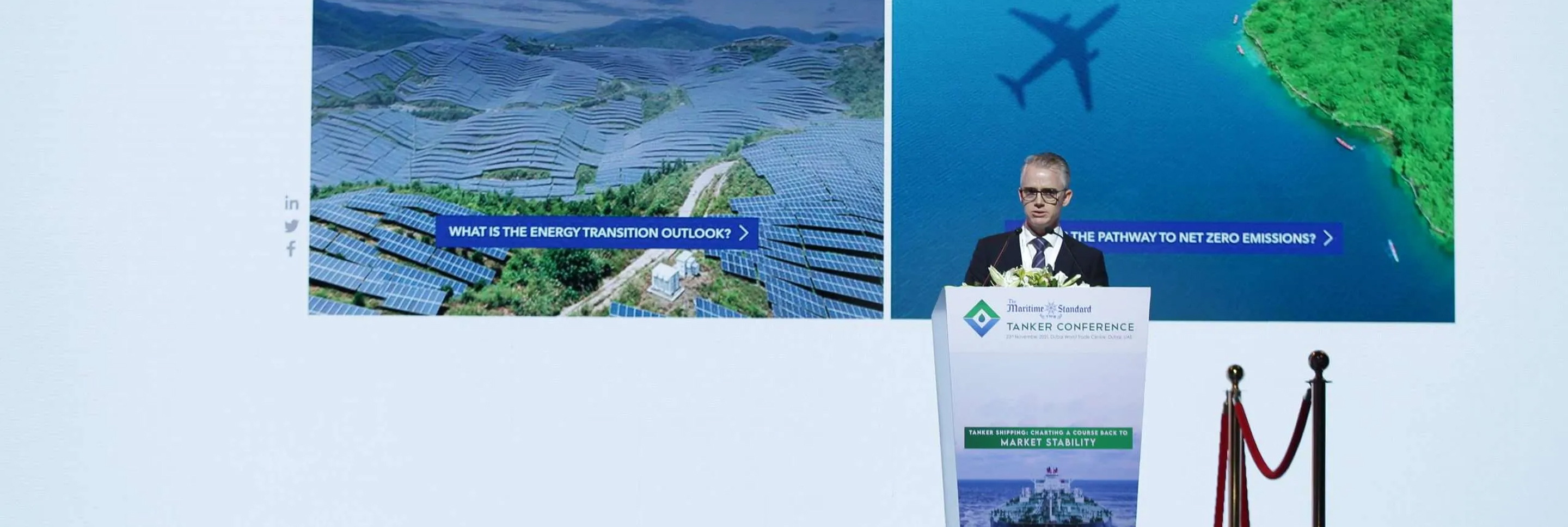
Decarbonisation in tanker shipping is not a question of if, but how fast. The IMO’s ambitious targets, coupled with market realities, demand immediate action from shipowners, operators, and financiers. While challenges remain, the momentum is undeniable.
The future of tanker shipping is being shaped today. Those who embrace decarbonisation as a strategic opportunity rather than a regulatory burden will lead the industry into its next era.
Don’t miss the chance to be part of these critical conversations.
Register now for The Maritime Standard Tanker Conference 2025 and lead the transition toward greener operations.

Gold sponsor

Gold sponsor
Silver Sponsor

Lanyards and Badges
Multimedia sponsor
Multimedia sponsor
Delegate Lunch

Conference Registration

Silver Sponsor
Gold sponsor
Gold sponsor
Silver Sponsor
Lanyards and Badges
Multimedia sponsor
Multimedia sponsor
Delegate Lunch
Conference Registration
Silver Sponsor
Gold sponsor
Gold sponsor
Silver Sponsor
Lanyards and Badges
Multimedia sponsor
Multimedia sponsor
Delegate Lunch
Conference Registration
Silver Sponsor
Gold sponsor
Gold sponsor
Silver Sponsor
Lanyards and Badges
Multimedia sponsor
Multimedia sponsor
Delegate Lunch
Conference Registration
Silver Sponsor
Gold sponsor
Gold sponsor
Silver Sponsor
Lanyards and Badges
Multimedia sponsor
Multimedia sponsor
Delegate Lunch
Conference Registration
Silver Sponsor
Gold sponsor
Gold sponsor
Silver Sponsor
Lanyards and Badges
Multimedia sponsor
Multimedia sponsor
Delegate Lunch
Conference Registration
Silver Sponsor
Advance Polymer

Main Session

General Sponsor
Delegate Bags
Gulf Energy Marine
General Sponsor
General Sponsor
General Sponsor
Advance Polymer
Main Session
General Sponsor
Delegate Bags
Gulf Energy Marine
General Sponsor
General Sponsor
General Sponsor
Advance Polymer
Main Session
General Sponsor
Delegate Bags
Gulf Energy Marine
General Sponsor
General Sponsor
General Sponsor
Advance Polymer
Main Session
General Sponsor
Delegate Bags
Gulf Energy Marine
General Sponsor
General Sponsor
General Sponsor
Advance Polymer
Main Session
General Sponsor
Delegate Bags
Gulf Energy Marine
General Sponsor
General Sponsor
General Sponsor
Advance Polymer
Main Session
General Sponsor
Delegate Bags
Gulf Energy Marine
General Sponsor
General Sponsor
General Sponsor






















Sign up for our newsletter to get the latest waves of updates, insights, and exclusive conference content.
Sign up for our newsletter to get the latest waves of updates, insights, and exclusive conference content.
© TMS Marine Conference 2026. Designed & Developed by Cheval
Back to Top